
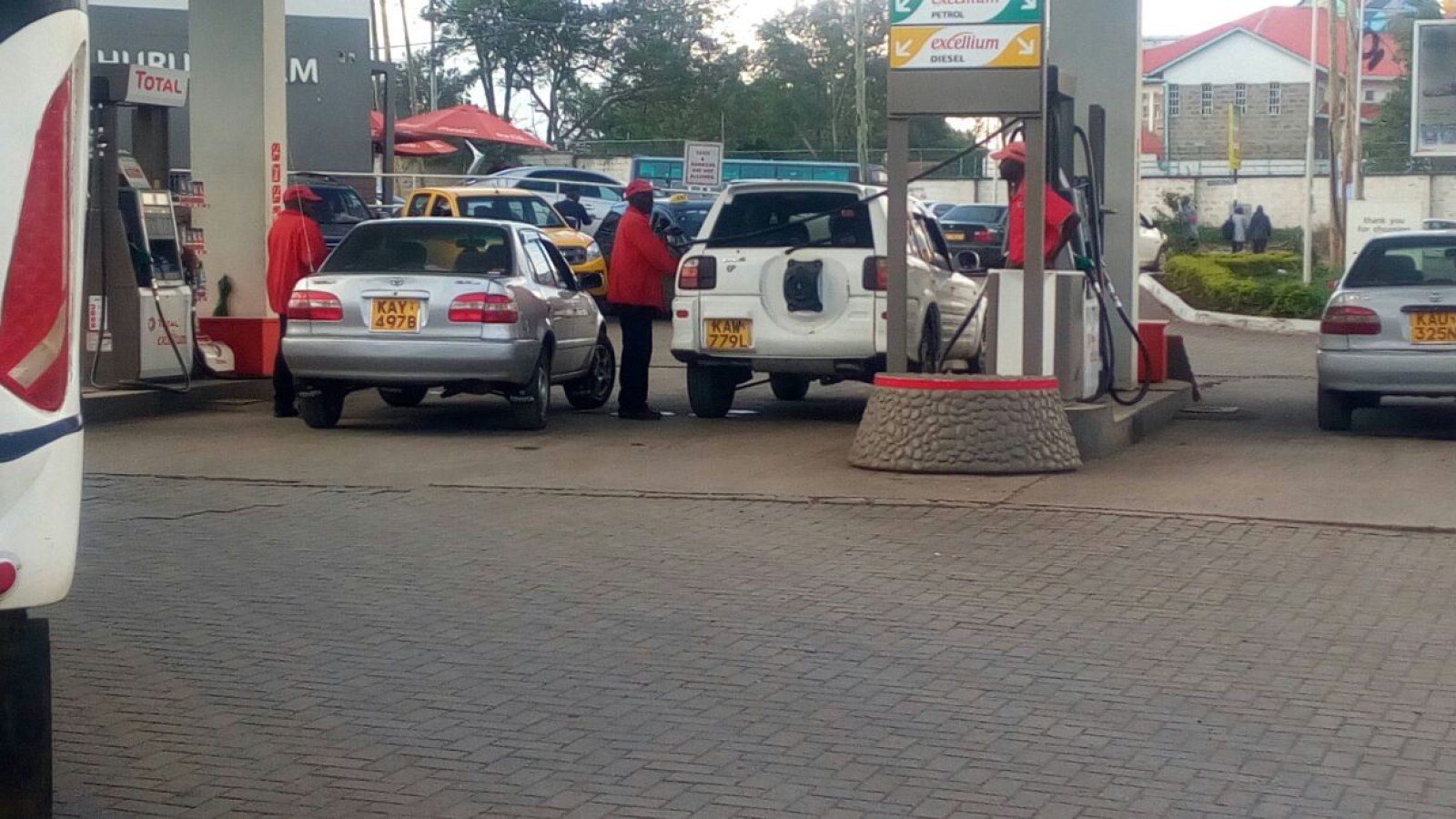
A petrol station construction company in Bungoma should begin by deciding whether the proposed station serves a town neighbourhood, an agricultural catchment, through traffic or a freight route. Bungoma town and Kanduyi, Webuye, Kimilili, Chwele and the routes toward Malaba, Kitale or Lwakhakha do not create one standard demand pattern. Access, tanker movement, pavement loading and delivery logistics must be tested for the actual site.
ZES evaluates petrol station projects across Kenya according to their scope, location, logistics and programme. This page does not claim a Bungoma office, local workforce, named customer, completed county project or power to secure approval. See the national construction and equipment installation service for the technical offer and the Kenya service-area directory for the coverage approach.
Turnkey petrol station setup in Webuye, Kanduyi, Kimilili and Chwele
A petrol station setup in Bungoma should define whether it serves local town movement, agricultural traffic or vehicles travelling through Webuye and Kanduyi toward Kitale or the Malaba corridor. Kimilili, Chwele and other centres create different frontage, utility, delivery and customer-facility questions. Malaba itself belongs in Busia County; on this page it is only a route destination, not a Bungoma location claim.
The turnkey setup guide coordinates civil works, tanks and piping, dispensers, canopy, electrical and safety systems, drainage, monitoring, testing and handover. A corridor-site quotation should also state truck facilities, pavement duty, mobilisation, lifting and traffic-management assumptions.
Decide what role the station will play
A site on the Eldoret–Webuye–Bungoma movement toward Malaba may need to consider long-distance freight and bus traffic. A route connecting Webuye and Kitale presents another movement pattern, while Kimilili, Chwele and rural market centres may combine motorcycles, farm vehicles, local deliveries and private cars. These are examples for briefing a designer, not proof of commercial demand, permissible land use or access consent.
Prepare a short operating model: expected products, daily and peak vehicle mix, hours, delivery frequency, retail or food offer, fleet accounts and future expansion. It should answer whether trucks need dedicated lanes or parking, whether motorcycles need a clearly separated service area, and where shop deliveries will occur. A larger plot is not automatically safer if the movements remain unresolved.
Test the proposal against the driver’s view from both directions. Record bends, junctions, roadside markets, bus and motorcycle activity, pedestrians, schools or other sensitive neighbours, road drainage and the reserve. The relevant county, urban or national road agency decides access conditions and whether a culvert, service lane, traffic assessment, turning treatment or road-reserve consent is necessary.
Give the fuel tanker its own safe journey
The tanker route should be a scaled design layer, not an arrow added at the end. Show legal approach, gate width, swept path, overhead clearance, standing gradient, hose reach to each fill connection, emergency escape and a forward departure. Avoid crossing a dispenser queue, pedestrian route or customer parking where the site layout can reasonably separate them.
Where the station intends to attract heavy vehicles, verify canopy clear height, turning radii, pavement loading, island protection and sight lines. Truck parking should not obstruct the offloading area or emergency access. The petrol station canopy construction guide helps coordinate spans, column locations, foundations, drainage, lighting and erection rather than treating the canopy as a decorative item.
Last-mile construction access also matters. A tank or long steel member may be deliverable along the main road but unable to pass a narrow bridge, sharp turn, soft shoulder or overhead line near the plot. Inspect the route with the transporter before ordering, identify the crane standing area and keep customer-opening assumptions separate from construction logistics.
Create an all-weather civil platform
Bungoma County’s development plan emphasises roads, bridges, drainage and compliance with building standards. For a private fuel site, that reinforces the need to survey the frontage and plot as one system. Map external inflows, low points, existing culverts, neighbouring levels and a lawful discharge route. Potentially contaminated water from dispensing and filling areas requires containment and suitable treatment.
A ground investigation should check soil profile, bearing, moisture sensitivity, groundwater, excavation stability and suitable fill. Those findings determine tank support, pavement build-up, canopy bases and retaining needs. Temporary drains, protected stockpiles and controlled construction traffic should be established before rainfall damages prepared formation or sends silt off site.
Buried systems must be coordinated before pavement. The underground fuel tank installation guide covers tank handling, foundations, anchorage where designed, chambers, fill and vent equipment, pipe routing, containment and tests. A late change to tank position can disrupt drainage, canopy columns, tanker offloading and electrical routes simultaneously.
Move through seven controlled project stages
- Commercial brief: customer segments, product plan, tank capacity, amenities, target quality and expansion intent.
- Site screening: ownership, permitted use, boundary, road interface, utilities, neighbours, environmental receptors and preliminary tanker movement.
- Measured evidence: topographic and geotechnical work, route check, service searches and any traffic, drainage or environmental studies required.
- Integrated design: architectural, civil, structural, petroleum mechanical, electrical, fire, drainage and equipment information checked for clashes.
- Submission and buying: permissions register, common tender documents, equipment compliance review, delivery plan and approved materials.
- Build and verify: safe enabling work, inspected underground systems, structures, services, forecourt, buildings and external works with test records.
- Operational readiness: calibration coordination, snag closure, cleaning, training, emergency arrangements, certificates, manuals and as-built drawings.
Assign an owner and release condition to every stage. For instance, excavation should not start from a sketch with unresolved levels; tanks should not be backfilled before specified inspections; paving should not hide untested pipework; and product introduction should wait for the agreed safety and regulatory prerequisites.
Require traceable equipment and installation
The quotation should identify tank, dispenser, pipe, valve, monitoring and electrical specifications rather than use “or equivalent” without a compliance test. Record manufacturers, models, applicable standards, warranties and who supplies accessories. Substitutions need technical review because one change can affect flow, electrical load, hazardous-area suitability, foundations, spare parts and operator training.
The fuel dispenser installation guide clarifies the boundary between equipment supply and completed installation. It should be clear who provides bases, sumps, pipe and cable terminations, impact barriers, configuration, integrity tests, calibration coordination and commissioning evidence.
What determines Bungoma project cost?
An unsupported county lump sum hides more than it explains. A measured quotation should expose these drivers:
- Road and access work: entrance treatment, culverts, reserve conditions, signage, utility relocation, temporary traffic measures and reinstatement.
- Earthworks: cut and fill, unsuitable material, moisture control, imported formation, dewatering and erosion protection.
- Traffic duty: truck turning and parking area, pavement loading, clearances, island and column protection.
- Petroleum system: storage volume, number of products, dispensers, chambers, pipe lengths, fill points, leak controls and monitoring.
- Drainage: upstream control, forecourt collection, separators, attenuation, culvert or outlet work and maintenance access.
- Supply chain: route constraints, offloading, crane, specialist travel, secure storage and long-lead items.
- Utilities: grid reinforcement, backup power, water storage, sanitation, communications and external connections.
- Facilities: shop, offices, washrooms, food service, fleet area, workshop, wash bay or later expansion.
Use the petrol station construction cost guide for Kenya to compare like with like. A low figure may exclude design, road work, drainage, tank accessories, electrical systems, testing or handover records. Ask for every omission and provisional allowance in writing.
Map every permit to the responsible authority
Confirm the current Bungoma County or relevant municipal process for development or land-use permission, building-plan approval, structural review, fire and public-health input, inspections and occupation. The exact route can change with the location and ancillary facilities. Approval of the building is not the same as approval of petroleum construction or highway access.
The current national retail-site regulations provide for an EPRA construction permit and supporting information, including environmental approval. NEMA determines the environmental assessment and licensing route for the proposal. The developer must also address NCA project registration using the applicable approved drawings and registered contractor and consultants.
Road, water-resource, power, railway, border-area or other referrals apply only when the location brings the project within the relevant mandate. Keep a register listing the document, authority, applicant, prerequisites, submission date, decision and conditions. Refer to the EPRA-compliant construction guide for orientation, then verify current requirements directly. ZES may support coordination within contract scope; it cannot issue an approval or guarantee its timing.
Prepare safety and handover before opening
During construction, segregate the public from excavation, lifting, hot work and moving plant. Control temporary electricity, spills, stored fuel-related equipment and confined or restricted work areas as applicable. Inspection and test plans should cover ground preparation, concrete, tanks, pipework, drainage, earthing and electrical systems before they are hidden.
Operational readiness should cover hazardous-area classification, compatible equipment, bonding, earthing, lightning protection, emergency isolation, fire points, tanker offloading, spill materials, impact barriers and staff drills. Where the operator wants remote stock visibility, coordinate an automatic tank gauging system with tank fittings, power, data, alarms and reconciliation procedures from the outset.
Bungoma quotation checklist
- Location pin, plot number, ownership or registered lease and boundary survey
- Existing and proposed land use plus authority correspondence already received
- Frontage photos, road manager if known, reserve, drains, junctions and access idea
- Customer classes, peak queue, largest tanker, truck plan and parking
- Topographic and geotechnical reports, groundwater and wet-weather observations
- Tank products and capacities, dispensers, fill arrangement and monitoring
- Canopy, shop, washrooms, food, fleet and other ancillary requirements
- Power, backup, water, sewer or treatment, data and security requirements
- Approval, design, supply, installation, test, training and documentation boundaries
- Taxes, exclusions, provisional sums, quotation validity and programme assumptions
Frequently asked questions for Bungoma projects
Does a highway-facing plot automatically suit truck customers?
No. It needs legal access, adequate swept paths, pavement duty, clearances, parking and safe separation from local users. The business case and authority conditions also matter.
When should the equipment delivery route be inspected?
Before purchase orders are final. Confirm dimensions, bridge or road constraints, turning, overhead clearance, crane position and the condition expected in the delivery season.
Can farm and motorcycle traffic share the same entrance?
Possibly, but only after movement and conflict assessment. Lane definition, visibility, speed control and queue space should reflect observed users instead of relying on signs alone.
Is a provisional sum for road access acceptable?
Yes when the authority’s final condition is unresolved, provided the allowance, measurement basis, exclusions and adjustment method are stated. It should not hide a known omission.
Can construction proceed while environmental approval is pending?
Do not assume so. Follow the sequencing and conditions set by NEMA, EPRA, the county, NCA and other applicable authorities before starting each controlled activity.
Will a contractor guarantee regulatory completion dates?
A contractor can manage submissions and programme its own work within an agreed scope, but cannot control authority decisions. Contract dates should distinguish contractor obligations from external dependencies.
Send a practical Bungoma project brief
Share the plot and land details, road and drainage photographs, expected tanker and customer movements, storage and dispenser plan, amenities, utilities, delivery constraints and any existing studies. ZES can review the evidence and define the next feasibility, design or construction scope. Request a Bungoma petrol station proposal review.
Sources
- County Government of Bungoma: County Integrated Development Plan 2023–2027
- County Government of Bungoma: Roads, Transport, Infrastructure and Public Works mandate
- Kenya Law: Petroleum (Retail Dispensing Site Construction and Licensing) (No. 2) Regulations, 2025
- National Construction Authority: project registration requirements