
Petrol station construction across Kenya requires one national technical standard and a project plan that responds to the actual county, town, road, plot and delivery conditions. Zama Engineering Systems (ZES) is based in Nairobi and evaluates projects across Kenya according to scope, location, logistics and scheduling requirements. This directory helps investors and project teams prepare a useful first brief for any of Kenya’s 47 counties without implying that every site has the same design, price or approval path.
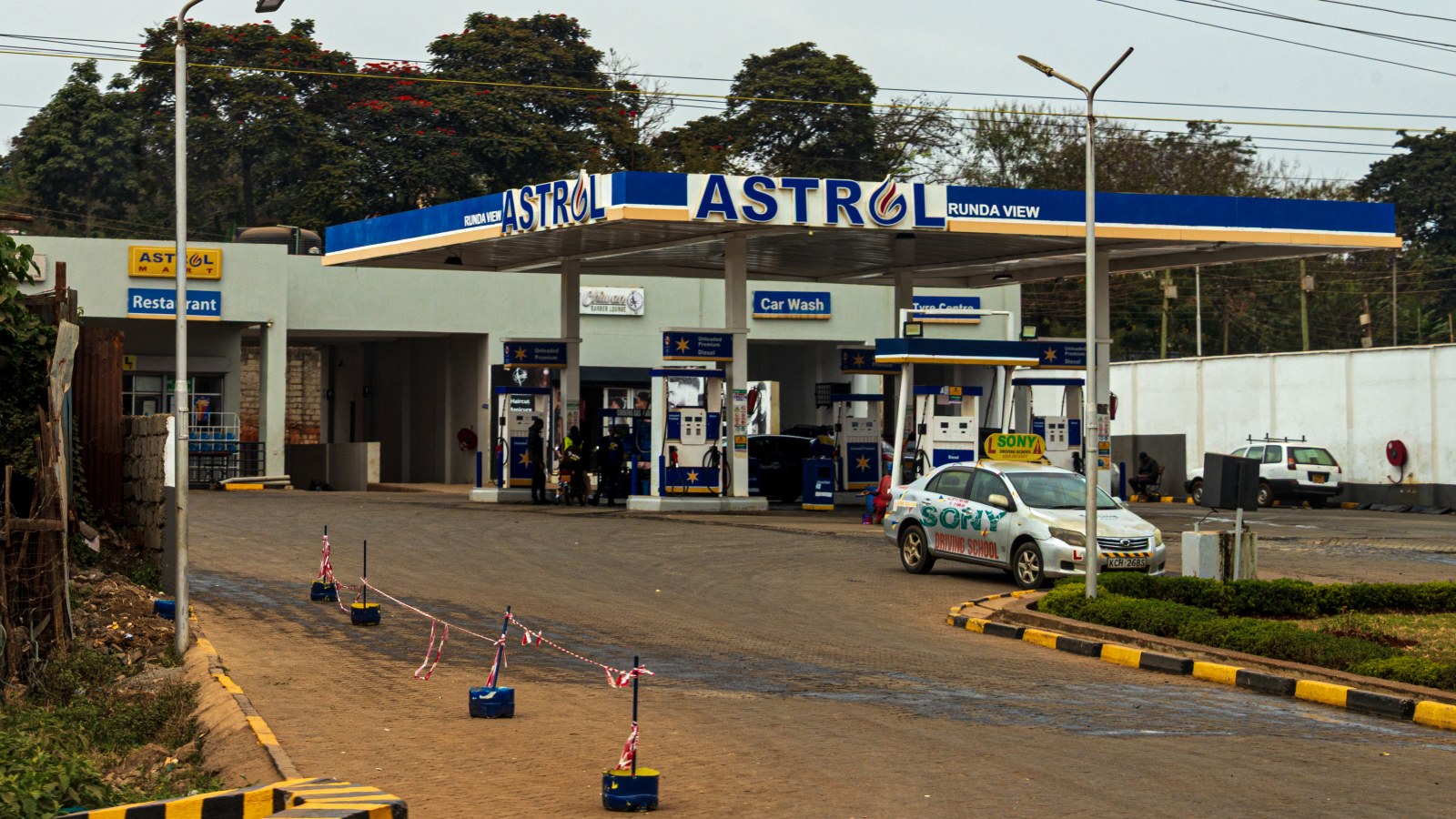
If you are looking for a petrol station construction company in your county, begin with the site rather than a generic package. Share the county, nearest town, road or corridor, plot status, proposed products and storage capacity, expected traffic mix, drawings already available and your present approval stage. ZES can then determine whether the next step is a desktop scope review, a site survey, concept coordination or a detailed quotation.
How ZES evaluates county-based petrol station projects
A county name alone is not enough to price or design a forecourt. Two plots in the same county can have very different access, drainage, ground, utility, tanker-movement and neighbouring-use constraints. The first review therefore separates what is known from what must be confirmed by survey, professional design or the relevant authority.
- Site and access: plot dimensions, road reserve, entry and exit geometry, tanker turning, queuing, pedestrian movement and emergency access.
- Ground and water: levels, drainage route, flood or groundwater checks, excavation conditions and the engineering basis for underground works.
- Storage and dispensing: intended products, tank capacities, fill points, venting, piping, pump islands, dispenser configuration and future expansion.
- Canopy and buildings: structural concept, clearances, drainage, lighting, shop or office needs, service bays and customer circulation.
- Electrical and safety systems: power availability, earthing, hazardous-area considerations, emergency controls, fire provisions and testing records.
- Delivery planning: transport of tanks and steel, lifting access, material storage, worker welfare, accommodation where needed and the sequence of specialist trades.
See the full petrol station construction and equipment installation scope, the turnkey setup guide and the EPRA-compliance planning guide before requesting a final quotation.
Kenya’s 47-county construction planning directory
The county groups below are used only to make this directory easier to browse. Every project still requires plot-specific checks. Named towns are prompts for the enquiry form, not claims of a ZES branch, completed project or permanent local team.
Coast counties
Mombasa County
Project-brief locations: Mombasa, Likoni, Changamwe, Nyali.
Assess coastal corrosion protection, constrained-site access and tanker circulation before fixing the construction scope.
Kwale County
Project-brief locations: Kwale, Ukunda, Diani, Kinango, Lunga Lunga.
Verify road access, seasonal traffic patterns and coastal exposure for the specific site rather than applying a generic coastal design.
Kilifi County
Project-brief locations: Kilifi, Malindi, Mtwapa, Mariakani, Watamu.
Assess coastal exposure, growth-corridor access and equipment-delivery logistics for the named town and plot.
Tana River County
Project-brief locations: Hola, Garsen, Bura, Madogo.
Confirm flood risk, ground conditions, long-distance mobilization and reliable site access through a project-specific survey.
Lamu County
Project-brief locations: Lamu, Mpeketoni, Witu, Hindi.
Distinguish island and mainland logistics, then verify marine exposure, transport access and receiving arrangements for the actual site.
Taita/Taveta County
Project-brief locations: Voi, Taveta, Wundanyi, Mwatate.
Evaluate highway or border-route access, tanker movements and contractor mobilization without assuming every site has the same freight profile.
North Eastern counties
Garissa County
Project-brief locations: Garissa, Dadaab, Balambala, Masalani.
Verify heat, dust, utilities, security procedures and supply-chain constraints before specifying equipment or programme.
Wajir County
Project-brief locations: Wajir, Habaswein, Eldas, Buna.
Base scope and schedule on verified road access, water and power availability, arid-site conditions and mobilization distance.
Mandera County
Project-brief locations: Mandera, El Wak, Rhamu, Takaba.
Confirm border-area logistics, site security, utilities and long-distance delivery assumptions before quotation.
Eastern counties
Marsabit County
Project-brief locations: Marsabit, Moyale, Sololo, Laisamis.
Assess northern-corridor access, equipment transport, utilities and climatic conditions at the selected plot.
Isiolo County
Project-brief locations: Isiolo, Merti, Garbatulla.
Verify corridor access, tanker circulation and the practical supply radius for the proposed location rather than assuming regional demand.
Meru County
Project-brief locations: Meru, Maua, Nkubu, Timau.
Compare the selected town's road access, agricultural freight patterns and site services before setting capacity or layout.
Tharaka-Nithi County
Project-brief locations: Chuka, Kathwana, Marimanti, Chogoria.
Validate town-level traffic, terrain, drainage and equipment-delivery access before creating a county-specific construction plan.
Embu County
Project-brief locations: Embu, Runyenjes, Siakago, Kiritiri.
Assess regional road access, agricultural transport, plot drainage and utility connections for the specific town.
Kitui County
Project-brief locations: Kitui, Mwingi, Mutomo, Kyuso.
Confirm the served town, freight route, utilities and mobilization distance before defining the station footprint or schedule.
Machakos County
Project-brief locations: Machakos, Athi River, Mlolongo, Kangundo, Tala.
Differentiate dense industrial-corridor sites from county-town sites by verifying access, traffic, utilities and live-site constraints.
Makueni County
Project-brief locations: Wote, Makindu, Emali, Kibwezi, Sultan Hamud.
Verify highway access, tanker movements, drainage and utilities for the named site instead of assuming all corridor towns share one design.
Central counties
Nyandarua County
Project-brief locations: Ol Kalou, Njabini, Engineer, Ndaragwa.
Assess highland drainage, ground conditions, agricultural traffic and delivery access through a site-specific survey.
Nyeri County
Project-brief locations: Nyeri, Karatina, Othaya, Mukurwe-ini.
Confirm town-level traffic, road classification, drainage and environmental constraints before finalizing a quotation.
Kirinyaga County
Project-brief locations: Kerugoya, Kutus, Sagana, Wang'uru, Kagio.
Review agricultural transport routes, site drainage and town-specific access before setting tank, dispenser or forecourt scope.
Murang'a County
Project-brief locations: Murang'a, Kenol, Maragua, Kangema, Kandara.
Distinguish highway-adjacent, peri-urban and interior sites by validating traffic, terrain, access and utilities.
Kiambu County
Project-brief locations: Kiambu, Thika, Ruiru, Limuru, Kikuyu.
Assess dense metro access, land constraints, traffic circulation and nearby services for each town rather than using one county-wide assumption.
Rift Valley counties
Turkana County
Project-brief locations: Lodwar, Kakuma, Lokichogio, Lokichar, Kalokol.
Publish only with project evidence and verified distance, climate, utilities, security and heavy-equipment delivery requirements.
West Pokot County
Project-brief locations: Kapenguria, Chepareria, Ortum, Sigor.
Confirm terrain, road access, town-specific traffic and contractor mobilization before preparing local construction guidance.
Samburu County
Project-brief locations: Maralal, Baragoi, Wamba, Archer's Post.
Validate corridor or tourism-related traffic, remote access, utilities and site security without presuming demand.
Trans Nzoia County
Project-brief locations: Kitale, Kiminini, Endebess, Kwanza.
Assess agricultural freight, town access, drainage and delivery routes before setting equipment quantities or capacity.
Uasin Gishu County
Project-brief locations: Eldoret, Burnt Forest, Turbo, Moiben, Ziwa.
Differentiate urban, highway and agricultural-distribution sites through verified traffic, access and logistics data.
Elgeyo/Marakwet County
Project-brief locations: Iten, Kapsowar, Cheptongei, Tambach.
Verify terrain, road geometry, drainage and equipment access for the selected town before defining the construction method.
Nandi County
Project-brief locations: Kapsabet, Nandi Hills, Mosoriot, Kabiyet.
Evaluate agricultural transport, corridor proximity, drainage and town-specific traffic before selecting station capacity.
Baringo County
Project-brief locations: Kabarnet, Eldama Ravine, Marigat, Mogotio, Kabartonjo.
Confirm terrain, town access, environmental conditions and supply logistics rather than treating the county as one uniform market.
Laikipia County
Project-brief locations: Nanyuki, Nyahururu, Rumuruti, Doldol.
Assess the selected town's transport role, tourism or agricultural traffic, utilities and delivery access with current evidence.
Nakuru County
Project-brief locations: Nakuru, Naivasha, Gilgil, Molo, Njoro.
Separate city, highway, industrial and agricultural-site requirements using verified road access, traffic and utility data.
Narok County
Project-brief locations: Narok, Kilgoris, Suswa, Ntulele, Ololulunga.
Validate transit, tourism and agricultural traffic patterns alongside access, drainage and environmental constraints.
Kajiado County
Project-brief locations: Kajiado, Kitengela, Ongata Rongai, Ngong, Namanga.
Differentiate metro, industrial and border-corridor sites by verifying traffic, land access, utilities and tanker movement.
Kericho County
Project-brief locations: Kericho, Litein, Londiani, Kipkelion, Fort Ternan.
Review regional road traffic, agricultural freight, rainfall and drainage at the proposed plot before design.
Bomet County
Project-brief locations: Bomet, Sotik, Longisa, Kaplong, Chebole.
Validate town-level commercial intent, agricultural transport, drainage and access before producing a standalone county page.
Western counties
Kakamega County
Project-brief locations: Kakamega, Mumias, Malava, Butere, Khwisero.
Use verified town-level traffic, agricultural commerce, drainage and utility information to distinguish potential site types.
Vihiga County
Project-brief locations: Mbale, Luanda, Chavakali, Majengo, Hamisi.
Confirm whether county-specific intent is distinct from nearby regional hubs, then assess constrained plots, traffic and drainage.
Bungoma County
Project-brief locations: Bungoma, Webuye, Kimilili, Chwele, Sirisia.
Assess regional trade, agricultural freight, border-route proximity and town-specific access with current evidence.
Busia County
Project-brief locations: Busia, Malaba, Bumala, Funyula, Port Victoria.
Verify border freight, local traffic separation, site access and customs-route effects without assuming a particular project size.
Nyanza counties
Siaya County
Project-brief locations: Siaya, Bondo, Ugunja, Yala, Ukwala.
Publish from demonstrated inquiry or project evidence, supported by town-level traffic, agricultural and lake-region logistics research.
Kisumu County
Project-brief locations: Kisumu, Ahero, Maseno, Muhoroni, Katito.
Separate city, regional-distribution and lake-area sites by verifying traffic, drainage, access and equipment logistics.
Homa Bay County
Project-brief locations: Homa Bay, Oyugis, Mbita, Kendu Bay, Ndhiwa.
Assess town-specific road traffic, lake-area conditions, drainage and delivery access before setting the technical scope.
Migori County
Project-brief locations: Migori, Rongo, Awendo, Kehancha, Isebania.
Validate border-region trade, regional transport, utilities and town-level access without making volume assumptions.
Kisii County
Project-brief locations: Kisii, Ogembo, Suneka, Tabaka, Etago.
Assess dense trading centres, constrained plots, agricultural traffic and drainage for the named site.
Nyamira County
Project-brief locations: Nyamira, Keroka, Nyansiongo, Ekerenyo, Manga.
Confirm standalone county search intent versus nearby Kisii demand, then verify plot access, traffic and drainage.
Nairobi counties
Nairobi City County
Project-brief locations: Nairobi, Westlands, Embakasi, Industrial Area, Karen.
Prioritize constrained-site access, redevelopment or modification scope, traffic management and utility coordination rather than assuming greenfield conditions.
What a county-specific quotation should contain
A credible quotation should state assumptions, exclusions, provisional items and the documents required before construction. It should not reduce a petroleum project to one unsupported lump sum. For a detailed explanation of the variables, read the petrol station construction cost guide for Kenya.
- Defined project boundary: design responsibility, civil works, tanks, piping, dispensers, canopy, buildings, electrical works, safety equipment, automation and external works.
- County and site assumptions: mobilization point, road access, lifting and unloading conditions, available utilities, working hours and accommodation or storage needs.
- Specifications and quantities: equipment model or performance basis, tank construction and capacity, pipe materials, concrete and paving scope, canopy dimensions and electrical loads.
- Approval responsibilities: who prepares, signs, submits, pays for and follows up each national, county or road-access requirement.
- Testing and handover: inspection points, pressure or integrity tests, calibration where applicable, commissioning, training, as-built information and maintenance requirements.
National requirements and county approvals are different workstreams
Petroleum regulation is national, while development control, fire review, trade requirements and some access matters involve the relevant county or road authority. Requirements can change and may depend on the project. Use current guidance from the Energy and Petroleum Regulatory Authority, the National Environment Management Authority, the National Construction Authority, the applicable road authority and the county government. ZES can help coordinate a technical scope, but no contractor should promise regulatory approval before the required applications and reviews.
County project brief: information to send ZES
Use this checklist to make the first technical conversation productive:
- County, nearest town, road, landmark and map pin or coordinates.
- Plot ownership or control status and any available survey or title documents.
- Plot dimensions, topographic information, photographs and current site use.
- New build, rebuild, renovation, equipment replacement or phased expansion.
- Proposed fuel products, tank sizes, dispenser count and expected vehicle mix.
- Known road-access, drainage, utility, neighbour, environmental or planning constraints.
- Drawings, professional reports, approvals or correspondence already obtained.
- Target programme and whether the site must remain partly operational during work.
For specialist scopes, also review canopy construction, underground fuel tank installation, fuel dispenser installation, forecourt electrical installation and station renovation and upgrades.
Frequently asked questions
Does ZES have an office in every county?
No. ZES is based in Nairobi and evaluates projects across Kenya according to project scope, location, logistics and scheduling. A county page or directory listing does not represent a local branch.
Can ZES give one standard construction price for every county?
No. Mobilization, site access, ground conditions, drainage, utilities, tank and dispenser scope, canopy size, professional inputs, approval responsibilities and programme can all change the cost. A quotation should record its assumptions and exclusions.
Which county should an investor choose?
ZES does not select an investment location from a county name alone. Demand, competition, land control, road access, traffic, planning, environmental constraints, utilities, supply logistics and the investor’s operating model all require due diligence.
Can construction begin before approvals are complete?
The required approval and inspection sequence should be confirmed for the actual project before work begins. Starting too early can create redesign, delay, enforcement and financing risk.
Can an existing petrol station be upgraded instead of rebuilt?
Sometimes. The decision depends on the condition and suitability of tanks, piping, dispensers, canopy, drainage, electrical and safety systems, buildings and the intended operating model. Begin with a documented site audit and phased scope.
What happens after I send a project brief?
ZES reviews the information to identify missing inputs, likely specialist workstreams and whether a survey or concept stage is needed before a detailed quotation. Travel, logistics and project scheduling are then confirmed for the location.
Request a county-specific site review and quotation
Send the county, nearest town and road, plot status, proposed tank and dispenser scope, available drawings, current approval stage and target programme. ZES will evaluate the next technical step without assuming a one-size-fits-all county package.