
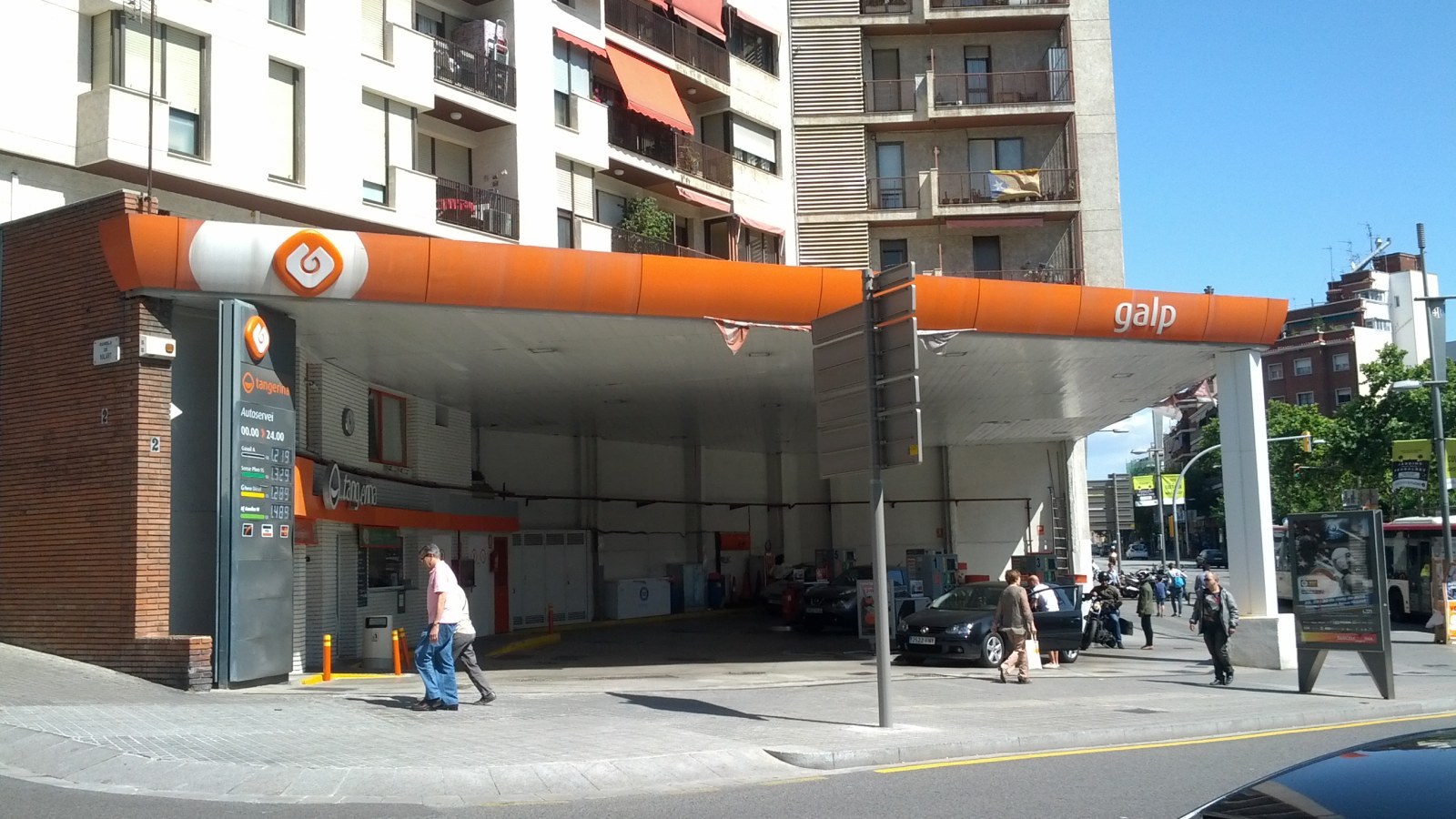
Selecting a petrol station construction company in Kisumu County requires a water-aware site plan and a realistic traffic plan. A plot in Kisumu City may need to manage congestion, pedestrians and limited frontage, while land toward Ahero, Muhoroni, Maseno or other centres can present different soils, drainage, utilities and delivery distances. The county name alone cannot establish a safe layout or a construction price.
ZES evaluates projects across Kenya based on scope, location, logistics and programme. This does not imply a Kisumu office, local team, completed nearby project or influence over approvals. Review the national petrol-station construction service and the Kenya service-area directory.
Turnkey petrol station setup in Kisumu, Ahero, Maseno and Muhoroni
A petrol station setup in Kisumu should respond to the city’s constrained plots and regional-distribution role, while projects around Ahero, Maseno, Muhoroni or Katito may face different drainage, soil, utility and delivery questions. The operating brief should identify cars, motorcycles, buses, agricultural traffic or heavy vehicles and show how customer circulation remains separate from tanker offloading.
The turnkey setup scope coordinates survey and design inputs, containment and drainage, tanks and piping, dispensers, canopy, electrical systems, monitoring, testing and handover. For low-lying or flood-sensitive plots, finished levels and lawful drainage arrangements should be resolved before equipment procurement or a fixed construction programme.
Put drainage and containment at the start of feasibility
Kisumu’s lake-basin setting makes the route taken by stormwater especially important, but each site still needs direct investigation. The county’s development plan discusses drainage work intended to address flooding in parts of Kisumu City. That does not prove an individual plot floods. It does mean the developer should commission levels, ask about historic ponding, locate existing drains and verify where water can lawfully discharge before the forecourt elevation is chosen.
A petroleum site needs more than ordinary roof drainage. The layout should separate clean runoff where practical and direct water from fuel-handling areas to controlled collection and appropriate treatment. Tank chambers, fill points and waste storage need containment, while interceptors and drains need safe access for inspection and cleaning. No design should allow an assumed connection to send contaminated water toward a road drain, river, wetland or Lake Victoria catchment.
Groundwater and soil conditions can change the design of tank excavations, foundations and pavements. Some sites may require dewatering, engineered fill, tank anchorage, subgrade improvement or altered excavation support; other sites may not. A geotechnical investigation and site-specific tank design are the defensible basis. Regional assumptions about “black cotton soil” or a universally high water table are not sufficient for pricing.
Match access to the actual Kisumu customer and tanker mix
Kisumu City connects regional routes toward Nairobi, Kakamega, Busia and other western Kenya markets. Within the urban area, locations such as Mamboleo, Nyamasaria and Otonglo illustrate different traffic and development settings; they are not endorsements of any particular plot. Farther into the county, agricultural, industrial and market-centre traffic may alter peak demand and the type of vehicle using the forecourt.
The survey plan should record the road reserve, carriageway edge, existing entrances, junction distance, pedestrian line, public-transport activity and drainage structures. A swept-path assessment then tests the selected fuel tanker from gate to offloading bay and forward exit. Customer queues should not trap the tanker, and the unloading zone should not block emergency access. Any proposed crossover, culvert, service lane or work in a road reserve must be taken to the authority responsible for that road.
A restaurant, car wash or truck-parking area can consume queuing space or pull traffic across fill points. Design these uses with the forecourt and account for their separate waste and drainage needs.
Scope of a coordinated petrol-station build
ZES can evaluate a defined package that brings the interfaces between civil, structural, petroleum and electrical work into one programme. Subject to the agreed contract, the scope may include:
- review of site-control, survey, utility, geotechnical and access information;
- concept layout and coordination of architectural and engineering documents;
- site preparation, temporary drainage, earthworks and engineered formation;
- tank bases, chambers, fill points, vents, pipe runs and containment details;
- forecourt pavement, islands, channel drainage, interceptor and external works;
- dispenser installation and coordination of controls and emergency isolation;
- canopy, shop or office, washrooms, service rooms and signage supports;
- power distribution, earthing, lightning protection, lighting and security interfaces;
- fire-equipment points, safe access provisions and construction-phase controls; and
- testing, calibration coordination, completion records, training and handover.
Read the detailed guide to underground tank installation in Kenya when tank type, chambers and leak control are being selected. Where the canopy must span a truck lane, carry distinctive branding or resist future alteration, the petrol-station canopy guide helps frame the structural brief.
Make water and traffic controls part of the safety file
A petrol station construction company in Kisumu County should connect the construction safety plan to the drainage and access design. Excavations, dewatering discharge, lifting operations, temporary power and fuel-system work need defined controls and competent supervision. On a busy frontage, hoarding, delivery windows and pedestrian routes should keep the public clear of plant and open work areas. If rainfall or groundwater overwhelms the planned temporary measures, work should pause for reassessment rather than allowing turbid or potentially contaminated water to escape through an unverified drain.
The handover file should record tank and pipe integrity checks, emergency isolation, earthing, dispenser protection, drainage falls, interceptor access, spill equipment and the agreed fire-safety provisions. Operators should know how to stop dispensing, protect an outfall and escalate an alarm. If the design includes monitoring, the fuel-tank leak-detection guide helps distinguish equipment supply from sensor placement, alarm testing, response procedures and ongoing inspection.
How quotation development works
The first submission should contain a location pin, plot plan or dimensions, title or lease status, road-frontage photographs, proposed fuel products and the intended customer facilities. Include any topographical, soil, environmental, traffic or county planning material already available. ZES reviews whether the information supports a concept, a budget, a defined equipment offer or a construction quotation.
If key risks remain open, the next stage can be a survey or feasibility brief. Once the layout and requirements are stable, quantities cover preliminaries, earthworks, structures, petroleum systems, services, drainage, finishes, external works, testing and documentation. The quote should assign equipment supply, statutory fees, road works and utility connections.
Provisional allowances are appropriate for genuinely unresolved work, provided they are labelled and have a measurement basis. They should not conceal omissions. The Kenya petrol-station cost guide explains why comparisons should use scope and quantities rather than an unsupported county-wide lump sum.
Kisumu cost drivers without invented prices
- Site levels and flood resilience: imported fill, retaining, raised thresholds, attenuation or deeper drains may be needed where a survey and hydraulic review support them.
- Subgrade and groundwater: pavement improvement, shoring, dewatering or tank anchorage can change below-ground costs materially.
- Drainage outfall: long connections, controlled discharge, enhanced containment and treatment add work that a generic forecourt estimate misses.
- Urban frontage: limited working room, pedestrian management and staged access can affect plant choices and duration.
- Regional logistics: delivery distance for specialist equipment and fabricated elements should be priced from the actual supply route, not presumed from Nairobi.
- Road improvements: culverts, access geometry, traffic signs, reinstatement and authority conditions may extend beyond the site boundary.
- Utilities: power upgrade, backup generation, water storage, sewer connection or on-site wastewater treatment can be major standalone packages.
- Ancillary businesses: food preparation, car washing, workshops and truck facilities have different drainage, fire and service demands.
A transparent cost plan marks each driver as confirmed, not applicable, provisional or awaiting investigation. ZES does not fabricate a Kisumu starting price or imply that every lake-basin site shares the same risk.
Separate county development permission from national petroleum permission
Kisumu County’s Lands, Physical Planning, Housing and Urban Development department is responsible for land-use planning within its mandate. A proposed station may require county planning or change-of-use consideration, building-plan review, public-health and fire input, drainage and access coordination, inspections and an occupation process. The applicant should verify current forms, fees, drawing standards and submission channels with the county for the exact site.
National controls run alongside that process. Kenya’s current petroleum retail-site regulations require a valid EPRA construction permit before construction or modification and list the supporting application documents. NEMA decides the applicable environmental assessment route. NCA sets project-registration requirements and states that registration is the developer’s responsibility. A road agency, Water Resources Authority, Kenya Civil Aviation Authority or other institution may also have a role when triggered by the plot or proposed works.
A compliance tracker should link every condition to a drawing, responsible professional, inspection and close-out record. Do not treat an application acknowledgement as an approval, or one approval as permission to bypass another. The EPRA-compliant petrol-station construction guide provides national orientation, but the regulators’ current written requirements control. ZES cannot guarantee a permit or licence.
Kisumu County project and quotation checklist
- Location pin, plot number, ownership or registered lease and survey dimensions
- Current land use, neighbouring uses and county correspondence received
- Road name and manager if known, reserve edge, frontage and existing access
- Photographs during normal and peak traffic, including pedestrians and public transport
- Largest delivery tanker, approach direction, offloading dwell area and exit path
- Topographic levels, nearest drains, outfall evidence and known ponding history
- Nearby river, stream, wetland, riparian feature or other mapped sensitivity
- Geotechnical or groundwater information, if available
- Fuel products, proposed tank capacities, dispenser count and future expansion
- Shop, washrooms, restaurant, car wash, service bay or truck-parking brief
- Power supply, backup, water source, sanitation and waste arrangements
- Brand standards, funding stage, target sequence and client-supplied items
- Quotation issue date, taxes, specifications, exclusions, provisional sums and responsibility for external works
Frequently asked questions about Kisumu construction
Must every Kisumu station be raised above the surrounding road?
No. Levels should come from a topographic and drainage assessment. Raising a plot without a lawful outfall can move water onto neighbours or trap it within the site. The finished floor, forecourt and entrance levels must work as one system.
How close can a station be to a wetland or river?
There is no responsible answer without site identification, survey and regulator input. Use authoritative mapping and obtain the applicable environmental, planning and water-resource guidance before assuming a buffer or committing to the land.
Can a tanker share the same gate as all customers?
It may be possible if the gate and circulation design demonstrate safe movements and operating controls. A separate access is not automatically required or automatically feasible; the swept path, queue behaviour and road-authority position decide the solution.
When is a fixed construction quotation realistic?
It becomes more reliable after the layout, capacity, ground, drainage, utility and approval assumptions are defined. Before that point, an options budget with stated allowances is more honest than a fixed figure containing unpriced risks.
Does the environmental licence replace the EPRA construction permit?
No. Environmental and petroleum approvals are separate. County development control, NCA registration and any site-triggered agency consents also retain their own roles.
Can ZES design only the petroleum works while another contractor builds?
A divided scope may be evaluated, but interfaces must be explicit. Responsibility for tank bases, sleeves, drainage, electrical supplies, hazardous-area compliance, testing and as-built records should be assigned before tender so gaps do not appear on site.
Turn the Kisumu plot into a complete project brief
Send the location pin, plot and access information, tanker assumption, storage and dispenser schedule, drainage evidence, desired facilities and any existing drawings or approvals. ZES can identify the missing investigations and prepare an appropriately scoped next step. Contact ZES about petrol-station construction in Kisumu County.
Sources
- County Government of Kisumu: County Integrated Development Plan III 2023–2027
- County Government of Kisumu: County Physical and Land Use Plan consultation
- Kenya Law: Petroleum (Retail Dispensing Site Construction and Licensing) (No. 2) Regulations, 2025
- National Construction Authority: project registration requirements