
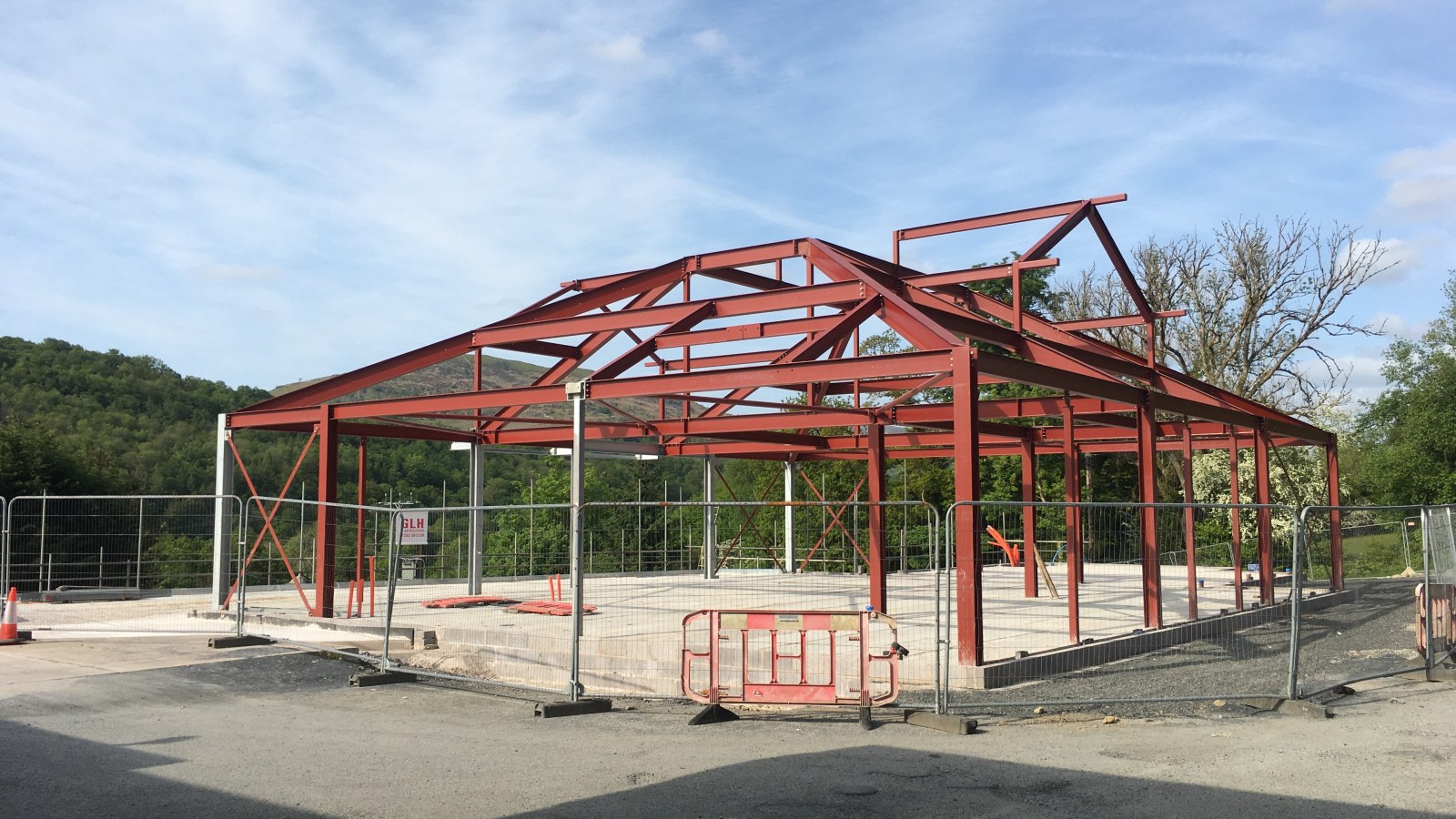
Selecting a petrol station construction company in Trans Nzoia should begin with evidence about the parcel and operating plan. A safe, approvable forecourt depends on legal road access, tanker and customer circulation, land-use status, drainage, ground conditions, utilities and coordinated petroleum equipment. Zama Engineering Systems (ZES) develops project-specific construction and installation scopes for clients across Kenya.
Kitale, Kiminini, Endebess and Kwanza do not present one standard site condition. Proposals on the Webuye-Kitale or Kitale-Lodwar approaches can also face different traffic, access-control and logistics constraints from a compact town plot. A corridor name may inform the commercial study, but it does not prove demand, lawful access, engineering suitability or approval.
Prepare a decision-ready brief: provide the location pin, parcel and survey information, frontage road, intended customer vehicles, delivery-tanker assumption, fuel grades, storage, dispensers, ancillary facilities and any authority feedback. ZES can then separate confirmed scope from surveys, designs and approvals still required for a petrol station setup in Trans Nzoia.
Turnkey petrol station setup in Kitale, Kiminini, Endebess and Kwanza
A turnkey petrol station setup coordinates design information, civil works, tanks, piping, dispensers, canopy services, testing and handover. It is not permission to repeat one layout everywhere. A Kitale urban site may need close study of queues, pedestrians, adjoining developments and delivery timing. A Kiminini, Endebess or Kwanza proposal may introduce a different access geometry, utility position, drainage catchment, mobilisation route or expansion plan.
Corridor sites need an operating brief that reflects the intended vehicles. Along the Webuye-Kitale approach, the owner may be studying a mix that differs from a site on the Kitale-Lodwar approach; that assessment belongs in a documented market and traffic study, not in a generic web-page claim. The engineering team then converts the supported assumptions into turning paths, parking, pavement loading, dispenser arrangement, tanker delivery and emergency access.
For searches such as “petrol station setup Trans Nzoia” or “petrol station setup Kitale,” the practical question is who controls the interfaces. The contract should identify who supplies surveys, professional drawings, approval submissions, equipment, utility connections, tests, branded finishes and operating documentation. A turnkey label without those boundaries can leave the owner with expensive gaps.
Site feasibility and the usable development envelope
The registered parcel area is only a starting point. Establish boundaries, road reserve, easements, setbacks, utility corridors, neighbouring uses, existing drains and level changes. These constraints define the usable development envelope for access, circulation, tank chambers, fill points, vents, dispensers, canopy, buildings, parking and waste or sanitation facilities.
Trans Nzoia County’s official Lands, Housing, Physical Planning and Urban Development information lists land-use management, zoning, development-plan review and building permits among its functions. That reinforces the need to confirm the parcel’s current status and proposed development through the current county process. It does not by itself grant approval to a private site.
Feasibility should also test constructability. Can plant and tank-delivery vehicles enter? Is there safe lifting space? Can excavated material and selected backfill be managed without blocking the road? Are temporary power, water, site security and workforce facilities available? If the plot must remain partly operational or shares access with another business, phase boundaries and public protection need to be designed before the programme is promised.
Road access, customer traffic and fuel-tanker delivery
The road authority depends on who owns and manages the frontage. National, urban and county roads can have different access requirements, submission procedures and reserve controls. Neither a county building decision nor an EPRA petroleum step should be described as automatic consent for a new entrance. Confirm the responsible authority and include its accepted geometry and drainage conditions in the coordinated drawings.
Plot vehicle swept paths using realistic dimensions. Customer movements should cover entrance, queue, dispenser, parking and exit; commercial vehicles may need different turning and clearances from cars or motorcycles. Pedestrian paths should not rely on people walking through tanker or reversing zones. Visibility, signs and roadside drainage need to be considered with the road design, not added after the forecourt is paved.
The delivery tanker requires a planned approach, safe standing position and exit. Check gradient, hose reach, fill-point protection, conflicts with dispenser queues, emergency access and isolation procedures during unloading. Where the approved plot permits, a forward exit reduces reversing conflict. Delivery arrangements may also affect operating hours and the capacity needed between replenishments.
Drainage and ground investigation before excavation
A topographical survey should show the site and its relationship to the road, neighbouring plots, drains and low points. The drainage calculation must include runoff that reaches the parcel from outside. Set finished levels that protect buildings, tanks and electrical equipment while keeping entrances usable and accessible. Identify a lawful discharge point rather than assuming water can be released to the nearest road drain.
Under the approved environmental and engineering design, clean roof water and potentially contaminated forecourt drainage may need different routes or controls. Channels, sumps, interceptors or other devices should be accessible for inspection and cleaning. Their falls and outlets must be coordinated before slabs, islands and tank aprons fix the levels.
Surface appearance does not confirm bearing capacity, groundwater or excavation stability. A geotechnical investigation may be required for tank support, canopy foundations, pavement and any retaining. The construction method should address excavation protection, temporary water control, approved backfill, compaction testing and existing utilities. Unexpected ground should trigger an engineering review and documented change, not an improvised solution.
Integrated tanks, piping, dispensers, canopy and controls
The ZES petrol station construction and equipment installation scope can combine the disciplines that must work together. Depending on the agreed contract, the package may cover:
- Design coordination: brief confirmation, survey review, concept layout, equipment schedule, responsibility matrix, drawing coordination and technical queries.
- Site and civil works: setting out, earthworks, foundations, tank support, selected backfill, drainage, containment, forecourt slabs, islands, access interfaces, ancillary buildings and external works.
- Tanks and petroleum pipework: specified storage, fill and vent systems, chambers, valves, product lines, leak-control provisions and testing. Review the underground fuel tank installation scope for the buried-system interfaces.
- Dispensers: equipment positioning, island protection, fuel and electrical connections, commissioning and calibration coordination through the fuel dispenser installation service.
- Canopy and electrical systems: foundations, structural frame, roof, rainwater goods, lighting, signs, distribution, earthing, bonding, emergency isolation and backup-power coordination. See the petrol station canopy construction guide.
- Monitoring: communications and power interfaces for an automatic tank gauging system, inventory reporting or alarm functions where specified.
- Testing and handover: inspection records, petroleum and electrical tests, commissioning, calibration evidence, manuals, warranties, operator orientation, as-built drawings and snag closure.
Equipment selection must follow the design basis. Buying a tank, dispenser or gauging system early can create mismatched capacities, dimensions, protocols or power requirements. Long-lead procurement should start when the key interfaces are stable and documented.
Approval map: EPRA, NEMA, Trans Nzoia County and road authority
The Petroleum (Retail Dispensing Site Construction and Licensing) (No. 2) Regulations, 2025 establish the current national petroleum framework through EPRA. The project team should distinguish the construction-stage requirements from the subsequent petroleum retail business licensing milestone. Compliance information should be checked against the current official source for the proposed site and date.
NEMA determines the environmental assessment route. Its EIA guidance describes submission of a project report and notes that the Authority may require a fuller study. Environmental review can affect neighbouring-use considerations, drainage, waste, spill prevention, traffic, construction controls and emergency measures. Its conditions should be reflected in drawings, quantities, work methods and handover evidence.
Trans Nzoia County administers relevant land-use, planning and building functions. Depending on the parcel and municipality, the process may include land-use confirmation, development permission, building-plan approval, development control, fire or health inputs, fees and inspections. The county’s public project-tracking platform can provide general infrastructure context, but a listed public project is neither permission nor demand evidence for a private forecourt.
Road access remains with the responsible road agency, while other national or utility bodies may become relevant to construction, workplace safety, water, electricity, professional services or measurement. Use an approvals register with a named owner, prerequisite, submission date, status and required close-out evidence for every item.
What changes petrol station construction cost in Trans Nzoia?
A fixed price for the whole county would be misleading. The petrol station construction cost in Kenya guide identifies typical cost headings, but actual quantities come from the Trans Nzoia site and specification. Major civil variables include access work, surveyed levels, cut and fill, weak or variable ground, rock, water in excavations, retaining, drainage, pavement loading and temporary works.
The facility definition controls equipment cost: tank count and capacities, fuel grades, dispensers and hoses, pipe lengths, canopy area, buildings, parking, truck facilities, power, backup, water, sanitation, signs, security and monitoring. Logistics can change with the delivery route, secure storage, lifting access, workforce arrangements and the ability to work without disrupting adjacent operations.
When comparing a petrol station construction company in Trans Nzoia, normalise quotations before choosing a contractor. Issue the same drawings, quantities and performance specification; then check tax, delivery, lifting, accessories, valves, chambers, backfill, canopy foundations, cabling, earthing, drainage controls, commissioning, calibration coordination and documentation. State provisional sums, client-supplied items and exclusions clearly.
Construction quality and a usable handover file
A project quality plan should identify inspections and tests before permanent work begins. Hold points are especially important before covering tank supports, underground pipes, drainage, reinforcement or earthing. Maintain delivery inspections, certificates, test results, photographs where appropriate and approved change records during construction.
Commission the station as an integrated system. Confirm product identification, pressure or integrity test evidence, dispenser settings, emergency stops, earthing and bonding, lighting, gauging, alarms, communications and drainage interfaces. Complete calibration coordination and operator orientation under the agreed scope. The handover pack should contain current as-built information, manuals, warranties, test evidence and a closed snag schedule.
Trans Nzoia petrol station project brief checklist
- Location pin, parcel reference, tenure status and nearest town or corridor.
- Boundary and topographical survey, road reserve details and known easements.
- Current land use, intended development, neighbours and available county feedback.
- Frontage-road owner if known, existing access and proposed entrance or exit.
- Target vehicle mix, queue, parking, pedestrian and commercial-vehicle requirements.
- Tanker size, approach direction, standing position, hose reach and exit plan.
- Existing drains, external runoff, low points and proposed lawful discharge.
- Fuel grades, storage cycle, tank capacities, dispensers, hoses and expansion.
- Canopy, shop, office, washrooms, service areas and site-security requirements.
- Power, backup, water, communication, tank-gauging and reporting requirements.
- Available drawings, approval status, procurement preference and target project stage.
Frequently asked questions about Trans Nzoia petrol station projects
Is a Webuye-Kitale or Kitale-Lodwar corridor plot automatically viable?
No. A route location still needs a commercial study and technical review of land use, lawful access, road reserve, circulation, tanker delivery, drainage, ground, utilities, environmental effects and surrounding development.
Can ZES provide a price from the site pin?
The pin supports an initial review, but not a final quotation. Surveyed boundaries and levels, access information, operating capacity, equipment, buildings, utilities, ground findings and approval conditions are needed to establish quantities and risk.
Which authority approves the access?
That depends on who owns the frontage road. The project team should confirm the responsible national, urban or county road authority and obtain its current requirements. County planning, NEMA or EPRA decisions should not be treated as road-access approval.
Can a Kitale design be reused unchanged in Kiminini, Endebess or Kwanza?
No. The business brief may share components, but the layout and engineering must respond to each parcel’s boundaries, road approach, levels, drainage, ground, neighbours and utilities.
Does an integrated ZES package include every approval fee and utility connection?
Only items expressly included in the written responsibility matrix and quotation are part of the contract. The project brief should allocate professional work, submissions, charges, road works, utility applications, specialist tests and client-supplied items before award.
Review the Kenya service-area directory for ZES construction planning in other counties.
Request a Trans Nzoia petrol station review
Send the pin, survey, frontage road, proposed vehicle market, tanker assumption, fuel products, storage, dispensers, canopy, buildings and existing documents. ZES can identify the inputs needed for a coordinated construction and setup quotation.
Sources
- County Government of Trans Nzoia: Lands, Housing, Physical Planning and Urban Development
- County Government of Trans Nzoia: Public Projects Tracking System
- Kenya Law: Petroleum (Retail Dispensing Site Construction and Licensing) (No. 2) Regulations, 2025
- National Environment Management Authority: Environmental Impact Assessment guidance