
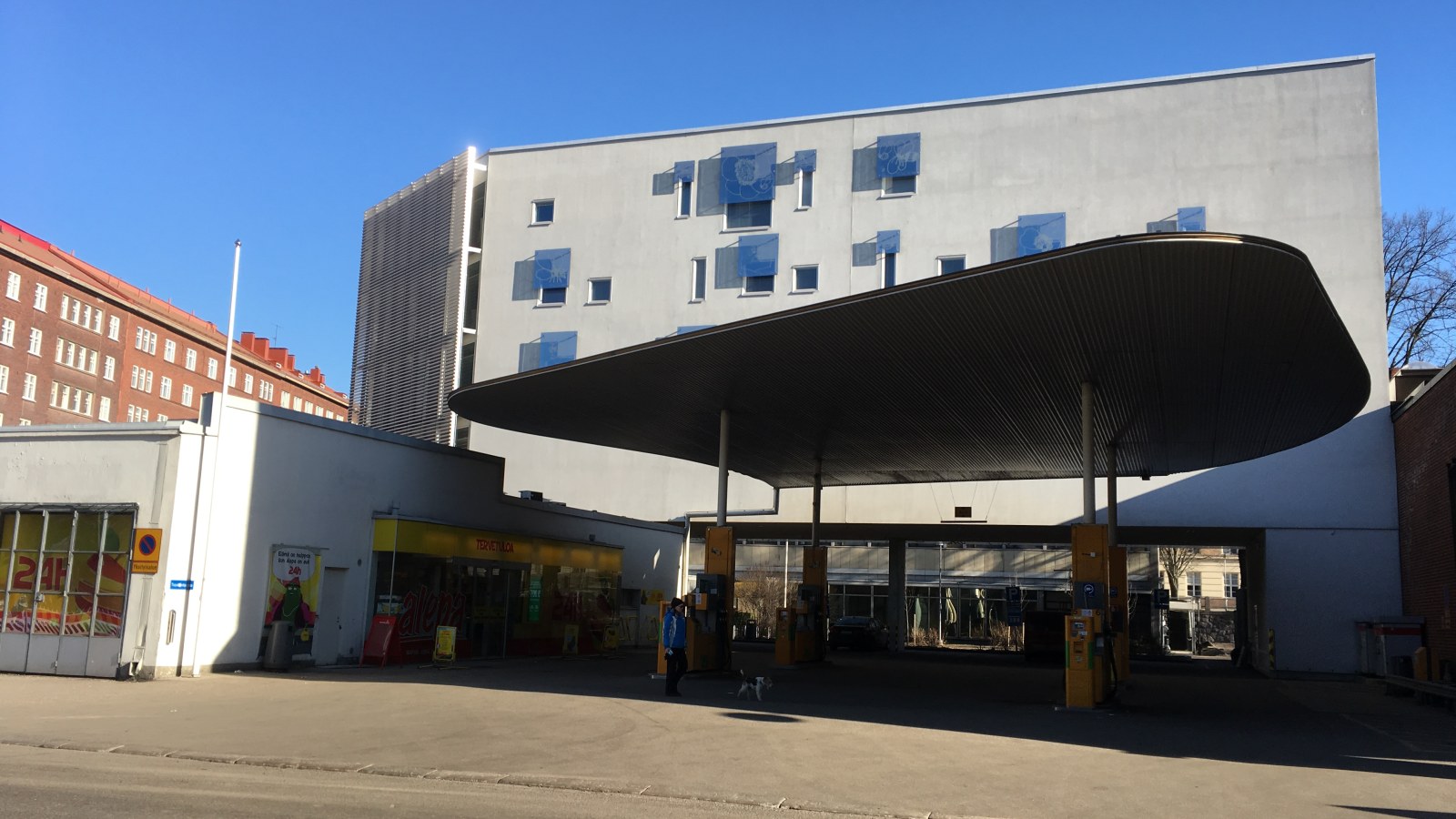
A petrol station construction company in Kajiado must account for a county that spans dense Nairobi-edge settlements, highway and border routes, market centres and widely separated rural locations. A forecourt near Ongata Rongai, Ngong or Kitengela will not share the same access, delivery and utility assumptions as one near Kajiado Town, Isinya, Namanga or Loitokitok. Zama Engineering Systems (ZES) evaluates projects across Kenya by scope, location, logistics and schedule. It does not imply a Kajiado office, completed local project or certainty of regulatory approval.
The most useful early decision is whether the parcel can support the intended customers and fuel-delivery pattern without compromising access, drainage, environmental requirements or safe circulation. A location may have good commercial visibility yet need substantial road, earthwork or utility preparation. Site viability and the approval path should therefore be investigated before tanks, dispensers or a canopy are ordered.
County planning answer: establish the legal parcel and land use, survey the levels and boundaries, identify the road authority, model tanker and customer movements, check utilities and environmental sensitivities, and then develop an integrated design basis for quotation.
Turnkey petrol station setup in Kitengela, Isinya and Namanga
A petrol station setup in Kajiado should distinguish the dense Nairobi-edge market around Kitengela, Rongai and Ngong from the highway and border movement around Isinya, Kajiado Town and Namanga. The largest regular vehicles, delivery route, queue pattern, water and power availability, staff facilities and maintenance access should be stated in the operating brief instead of inferred from the road name.
The turnkey setup guide brings the main packages into one coordinated scope: surveys and design inputs, civil works, underground tanks and piping, dispensing, canopy, electrical and safety systems, monitoring, testing and handover. Transport, lifting, temporary services and mobilisation assumptions should be explicit for sites farther from Nairobi suppliers.
Design for the actual Kajiado corridor and settlement
Urban-edge areas can combine rapid development, busy junctions, pedestrians, motorcycles, public-service vehicles and constrained service roads. A highway-oriented site may need to accommodate larger vehicles, longer turning paths and safe deceleration or queuing. A station serving a smaller centre may need a different product mix and more attention to mobilisation, power, water, communications and maintenance access.
Describe the expected market rather than labelling the proposal “standard.” Vehicles, queues, deliveries, operating hours and future uses help determine storage, dispensers, paving, parking and buildings. The layout should preserve maintenance and tanker access.
Tenure and boundaries also require care. Confirm the parcel documents, survey information, beacons, road reserve, wayleaves, current use and any subdivision or change-of-use history relevant to the proposal. Kajiado County’s lands and physical-planning department describes responsibilities for development control, land-use planning and building-plan approval. The county also publishes a spatial-plan resource, which should be considered alongside the parcel-specific advice provided by the competent office.
Integrated construction and equipment scope
The ZES petrol station construction and equipment installation service can coordinate the interfaces between civil works and petroleum equipment. The precise deliverables and professional responsibilities are set in the project agreement and may include:
- Assessment and design coordination: review of surveys, the operating brief, preliminary arrangement, equipment schedules and civil, structural, mechanical and electrical interfaces.
- Enabling and civil works: clearing, access preparation, earthworks, tank excavation, foundations, backfill, paving, islands, drainage, containment and buildings.
- Fuel systems: storage tanks, fill and vent points, chambers, valves, product piping, dispensers, protection and monitoring provisions.
- Canopy and electrical works: foundations, structure, roofing, fascia support, rainwater disposal, lighting, distribution, earthing, bonding and emergency controls.
- Operational technology: tank gauging, forecourt control, inventory or security interfaces where included in the operating model.
- Commissioning and handover: agreed tests, equipment startup, calibration coordination, training, manuals, as-built records and snag management.
The storage package should be defined before excavation starts. The underground fuel tank installation guide outlines coordination points for lifting, support, chambers, pipe routes, containment and testing. For a wide, exposed or truck-oriented forecourt, use the canopy construction guide to brief spans, clearances, drainage, lighting and erection access rather than procuring a roof by area alone.
Road access and long-distance fuel logistics
Kajiado projects may front a county road, an urban road or a nationally managed corridor. Identify the road authority and the status of any service road before fixing entrances and exits. The required review can depend on the road and proposal. County development permission should not be assumed to cover access works controlled by another body.
Plot the delivery tanker’s journey through the site at scale. The route should consider the approach direction, gate width, turning envelope, fill point, standing area, customer conflict points and exit. For highway or border-route users, the design may also need to assess trucks, buses and longer dwell times. For a smaller centre, assess whether the road and entrance remain usable during expected weather conditions.
Distance affects construction, maintenance and fuel delivery. A quotation should disclose transport, lifting, labour, storage, security and temporary-service assumptions. ZES confirms mobilisation after review; this page promises no response time or permanent county team.
Terrain, runoff, water and environmental sensitivity
Kajiado sites can vary in slope, surface material and exposure. Survey the ground instead of assuming a level or uniformly firm plot. The results may show a need for cut and fill, retaining, erosion control, strengthened pavement, special tank support or different canopy foundations. Geotechnical advice should be obtained where the design risk requires it.
Seasonal channels and concentrated storm runoff can be easy to underestimate during dry weather. A topographical review should extend beyond the immediate forecourt to identify upstream inflows and a lawful discharge arrangement. The design should separate clean rainwater from potentially contaminated drainage and coordinate canopy downpipes, paving falls, channels, containment and any treatment specified.
Water supply, sanitation and firefighting provisions must be established for the real site rather than assumed from a nearby development. If the parcel is near a protected area, wildlife movement area, wetland, watercourse, community resource or other sensitive receptor, raise it during environmental screening. NEMA and other competent bodies determine the studies and conditions required. ZES does not make an environmental-approval determination.
Safety and emergency readiness across long distances
A Kajiado method statement should match both the work and the site’s access to support. For a remote assignment, the plan may need reliable communications, first-response arrangements, drinking water, secure material storage and a practical route for assistance. On an urban-edge or highway site, it should instead give particular attention to public separation, temporary traffic flow, controlled deliveries and safe interfaces among cars, motorcycles, buses, trucks and construction plant.
Core forecourt controls include protected excavations, lifting plans, fuel-system isolation, hot-work authorization, earthing and bonding, spill response and competent supervision. Seasonal runoff and wind exposure should be considered when positioning temporary works and stored materials. Before handover, documented tests, emergency controls, lighting, signs, drainage interfaces, equipment records and agreed operator training should be complete. These examples do not replace the contractor’s project-specific safety plan or statutory responsibilities.
National and Kajiado County approval touchpoints
The approvals plan should distinguish national, county and road-related responsibilities. The applicable EPRA framework covers petroleum retail dispensing-site construction and licensing. NEMA administers environmental assessment. Depending on the project, authorities or professional regulators concerned with roads, water, workplace safety, electricity, construction and fire matters may also have roles.
Kajiado County can be relevant to land use, planning or development permission, building plans, development control, fire-related review, county fees and inspections. Its official department page reports electronic handling of some planning and building proposals through KeDAMS, but applicants should verify the portal and current submission route rather than relying on an older process description.
The ZES EPRA construction planning guide helps organise the national pathway, but it is not legal advice, an authority-issued checklist or a guarantee. The EPRA construction permit and the later petroleum retail business licence are separate project milestones. Each application, inspection and handover record needs an identified owner.
How a Kajiado project is developed for quotation
Begin with the location pin, parcel and survey documents, current land use, road frontage, expected users, fuel products, storage capacities, delivery assumptions, dispenser layout, canopy and buildings, utilities, technology and any prior authority feedback. Photos showing approaches, levels, drainage and neighbouring uses help identify questions but do not replace survey information.
ZES then reviews the petroleum-system requirements and the interfaces that must be designed or investigated. A sufficiently defined package can be priced by work section: professional services, statutory support, logistics, civil works, tanks and pipework, dispensers, canopy, electrical and safety systems, monitoring, testing and handover. The proposal should state specifications, quantities, taxes, exclusions, provisional sums, client-supplied items and programme dependencies.
When comparing a petrol station construction company in Kajiado, give each bidder consistent drawings and a bill of quantities. One bidder may quote delivered equipment while another includes foundations, installation, tests and records. The Kenya petrol station construction cost guide explains how to expose these scope differences without publishing an unreliable flat rate.
Kajiado cost drivers that need site evidence
Location can change transport, lifting, accommodation, storage and maintenance assumptions. Road work, utility connections, temporary services and security may also influence delivery. Each belongs in the quotation only when the site and method justify it.
Civil quantities may change with slope, rock, weak ground, erosion, drainage and retaining. Other drivers include storage, fuel grades, dispensers, truck facilities, canopy, buildings, paving, sanitation, power, monitoring, security and commissioning. A transparent quotation makes these decisions visible.
Kajiado project brief checklist
- Pin location, nearest centre or corridor, parcel number and tenure status.
- Survey, boundaries, beacons, levels, road reserve and known wayleaves.
- Current land use, proposed use, subdivision history and planning feedback.
- Road owner if known, service-road condition, entrances and visibility.
- Expected cars, motorcycles, buses or trucks and peak queue assumptions.
- Delivery tanker route, standing point, fill arrangement and exit movement.
- Surface-water paths, seasonal channels, erosion and discharge options.
- Power, water, sanitation, communications, security and backup provisions.
- Fuel grades, storage, dispensers, canopy, buildings and expansion plan.
- Environmental sensitivities, neighbours and authority correspondence known.
Frequently asked questions about Kajiado petrol station construction
Is a highway-front plot enough to justify a petrol station?
No. Commercial visibility must be tested alongside legal access, traffic movements, land use, tanker circulation, drainage, utilities, environmental issues and approvals. A feasibility review should inform the investment decision.
Can one layout work for Kitengela and Namanga?
Not responsibly by default. The customer mix, road interface, plot, utilities, logistics and authority context may be different. Use the same engineering process but a site-specific operating brief and layout.
How should a remote-site quotation treat transport?
It should state the assumed delivery point, number of mobilisations, lifting arrangements, accommodation or travel, storage and any exclusions. This allows offers to be compared without hidden logistics additions.
Does the Kajiado spatial plan approve an individual parcel?
No. A spatial plan provides wider planning context. The applicant still needs the project- and parcel-specific decisions required by the competent authorities.
Will ZES guarantee EPRA or county approval?
No. ZES can support engineering coordination and agreed documentation, but the authorities independently assess applications. Approval depends on the site, design, evidence and compliance with current requirements.
Visit the Kenya service-area directory for the national evaluation framework and links to other county pages.
Define your Kajiado petrol station project
Share the site pin, parcel and survey information, road context, expected vehicles, proposed fuels, storage, facilities and available planning records. ZES will assess the scope and logistics information required before a project-specific quotation is developed.
Sources
- County Government of Kajiado: Lands, Physical Planning, Urban Development, Housing and Municipalities
- County Government of Kajiado: County Spatial Plan resource
- Kenya Law: Petroleum (Retail Dispensing Site Construction and Licensing) (No. 2) Regulations, 2025
- National Environment Management Authority: environmental impact assessment guidance