
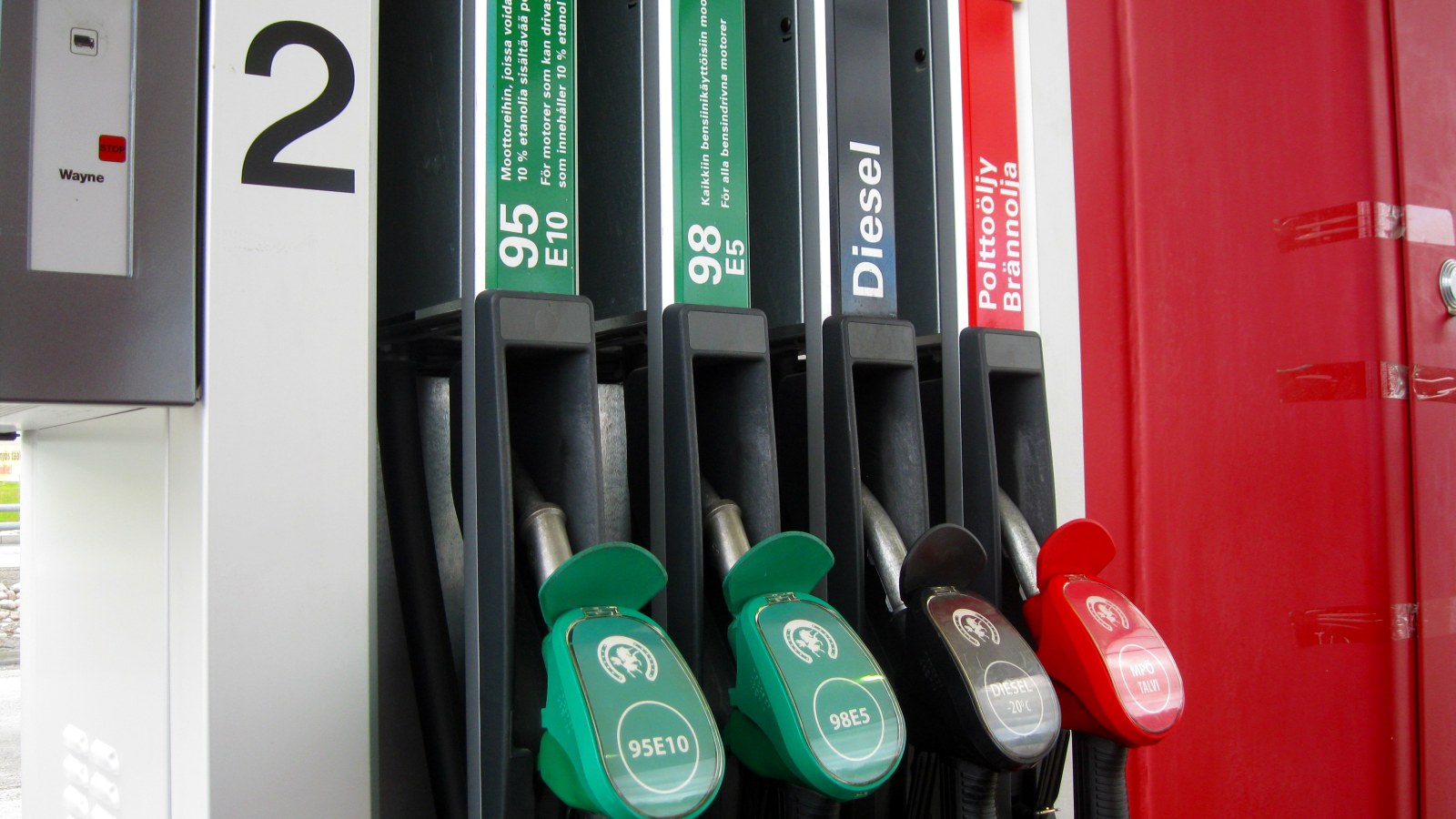
A capable petrol station construction company in Uasin Gishu County must plan for more than the dispenser forecourt. In and around Eldoret, the plot may serve urban commuters, agricultural traffic, long-distance freight or airport-related movement; outside the city, utility distance and mobilisation can become equally important. Safe tanker access, stormwater control and the road interface should be tested before the storage schedule and building footprint are locked.
ZES evaluates petrol-station projects across Kenya according to their scope, location, logistics and programme. It does not claim a Uasin Gishu office, a local team, a completed county project or certainty of regulatory approval. The national petrol-station construction service describes the core engineering offer, while the Kenya service-area hub explains how county enquiries fit within nationwide project evaluation.
Turnkey petrol station setup in Eldoret, Kapseret, Turbo and Burnt Forest
A petrol station setup in Uasin Gishu should distinguish dense Eldoret or Kapseret traffic from freight and agricultural movement around Turbo, Burnt Forest, Moi’s Bridge and the approaches toward Webuye or Kitale. The customer and delivery model determines turning space, pavement loading, dispenser flow, truck or bus facilities, storage and the area reserved for maintenance.
The turnkey petrol station setup guide covers coordinated civil works, underground storage and piping, dispensers, canopy, power, controls, lighting, tank monitoring, testing and handover. Remote mobilisation, lifting, specialist deliveries and temporary services should be listed as explicit assumptions rather than treated as a county-wide standard.
Begin with the fuel-delivery movement
Draw the tanker route before arranging the retail building. The route should show approach direction, gate width, swept path, standing position, hose reach to the fill points and a forward exit. It should remain separate from dispenser queues and minimise conflict with pedestrians, motorcycles, service vehicles and customer parking. A site that works for cars but cannot accept a realistic delivery vehicle is not an operational design.
Traffic conditions can differ across Eldoret’s built-up areas, the Kapseret and airport direction, Kimumu and other growing edges, and market centres such as Turbo or Moi’s Bridge. These examples are planning contexts, not statements that every plot in them is suitable. The project team should observe peak movements, identify nearby junctions and determine which agency manages the frontage. Any new crossover, culvert, turning lane, road occupation or reserve work requires the appropriate authority’s input.
Where the plot is close to Eldoret International Airport or an aviation safeguard area, the team should check whether Kenya Civil Aviation Authority or airport input is required for canopy height, cranes, lighting or other works. That review is location-dependent; airport-related approval should neither be ignored nor listed as mandatory for all Uasin Gishu projects.
Design stormwater as a pollution-control system
Eldoret’s official planning material identifies stormwater as an important urban infrastructure issue and refers to the Sosiani River and other receiving areas. For a fuel site, this makes levels and containment central design inputs. A topographical survey should locate upstream flows, low points, road drains and a lawful discharge route. The forecourt must be graded so spills are contained and directed through suitable treatment, rather than allowed into an open drain.
The design should distinguish roof runoff, uncontaminated yard water and potentially contaminated forecourt drainage where practical. Fill points, tank chambers and waste-handling areas need deliberate containment. Drain and interceptor access must remain serviceable after the station opens. If a plot has a history of ponding or lies near a river, wetland or natural waterway, obtain specialist environmental and hydraulic advice instead of solving the issue with higher paving alone.
Ground conditions also need direct investigation. Soil bearing, moisture, excavation stability and groundwater can vary over short distances. Geotechnical findings inform the tank foundation, anchorage if needed, pavement buildup, canopy bases and any retaining work. A reusable county foundation detail is not a substitute for that evidence.
Integrated construction scope
Once feasibility and approvals responsibilities are clear, the works can be broken into coordinated packages:
- Surveys and design coordination: boundary and topographic information, geotechnical input, concept arrangement, engineering drawings, specifications and an approvals matrix.
- Site establishment and earthworks: hoarding, temporary safety and drainage, excavation, engineered fill, levels and formation preparation.
- Petroleum storage and transfer: tank bases, underground fuel tanks, chambers, fill and vent assemblies, product pipework, sumps and leak-control provisions.
- Forecourt and buildings: reinforced pavement, islands, drainage, canopy, shop or office, washrooms, plant spaces, parking and boundary treatment.
- Electrical and safety systems: equipment distribution, hazardous-area coordination, earthing, lightning protection, emergency stops, lighting, fire points and security interfaces.
- Completion: inspections, integrity testing, calibration coordination, snag close-out, operator orientation, as-built records and handover documents.
The business plan may add a truck court, food offer, workshop, car wash, LPG area, solar generation or standby power. Each addition should have its own space, drainage, fire, utility and approval implications recorded. The canopy construction guide is useful where clear spans, brand fascia, lighting or future expansion need to be coordinated early.
Control construction and operating risks at each hold point
A petrol station construction company in Uasin Gishu County should turn the project risk register into visible site controls. Construction traffic should be separated from customers, neighbours and through movement; excavations need suitable access, edge protection and inspection; and lifting, hot work and electrical tasks require authorised methods. If rain, groundwater or weak formation affects an excavation, the team should reassess stability, dewatering and temporary drainage before work continues. A truck-focused proposal also needs impact protection and pavement controls suited to the verified axle and turning demands.
Quality hold points should prevent tank bases, pipe joints, chambers and cable routes from being covered before inspection and required tests are recorded. Commissioning then checks product mapping, integrity, emergency stops, earthing, lighting, drainage, fire points and operator procedures. Where specified, an automatic tank-gauging system should be commissioned with alarm logic, tank data and staff response actions rather than treated as a display added after handover.
From enquiry to a traceable quotation
ZES first reviews the location pin, plot and access evidence, proposed fuel volumes, dispenser count, ancillary uses, preferred quality standard and schedule. Existing surveys, concept drawings and authority correspondence should be supplied rather than recreated. If the site is still being acquired, an early feasibility scope may be more valuable than a construction quote.
Following site and brief clarification, the estimator develops a work breakdown and quantity basis. The quotation should show what is included in design, approvals support, preliminaries, civil and structural work, tanks and pumps, electrical and mechanical services, finishes, off-site work, testing and documentation. It should also identify the price date, taxes, client-supplied equipment, provisional sums and conditions that would trigger a revision.
This approach is explained further in the petrol-station construction cost guide for Kenya. A county-wide fixed figure would be misleading because an accessible serviced Eldoret plot and a remote site needing utility extensions and major earthworks are not equivalent.
Uasin Gishu cost variables to investigate
- Urban traffic management: restricted working space, public protection, deliveries and temporary access control can extend preliminaries.
- Rural mobilisation: distance for concrete, aggregate, equipment, specialist installers and supervision affects logistics without proving that every outlying site costs more.
- Drainage capacity: culverts, attenuation, controlled outfalls and oil-water treatment can become substantial civil items.
- Formation and pavement: verified soil strength, expected truck loading and wet-season performance determine excavation and pavement depth.
- Road-authority requirements: access modifications, signage, service roads, reinstatement or drainage crossings may be priced separately from on-plot work.
- Airport safeguards: where applicable, height, crane operation, lighting or other mitigation can affect design and sequencing.
- Power and water: transformer or line extensions, storage, borehole-related approvals, sewer connections or on-site treatment can shift the external-services budget.
- Operating scale: a truck-oriented facility requires different turning space, pavement duty and amenities from a neighbourhood forecourt.
Keep county and national approvals in one live register
Eldoret City’s published plan-approval procedure illustrates county development-control inputs such as physical planning, land verification, architectural and engineering review, public health, fire and rescue, site visits, inspections and occupation. The exact route for a plot outside the city or under a different authority must be confirmed with Uasin Gishu County. Current forms, charges and submission channels can change, so the applicant should obtain written guidance.
National petroleum permission remains distinct. Kenya’s current petroleum retail-site regulations provide for an EPRA construction permit and list application documents, including environmental approval. NEMA determines the appropriate environmental assessment route. NCA states that the developer registers the construction project and supplies approved drawings, county planning evidence, registered contractor and consultant information, and other applicable approvals.
Other referrals can arise from the road, watercourse, airport, power infrastructure or neighbouring land use. Record the authority, document, owner, prerequisite, date lodged and decision received for each item. Read the EPRA-compliant construction guide, but verify the current requirements for the project itself. ZES can coordinate an agreed scope; it cannot issue, guarantee or accelerate a regulator’s decision.
Uasin Gishu project and quotation checklist
- GPS pin, plot number, title or registered lease and boundary dimensions
- Urban, peri-urban, highway, market-centre or rural operating context
- Existing land use and any county planning correspondence
- Road manager if known, frontage photos, junctions, drains and reserve limits
- Peak customer vehicles and the largest fuel tanker expected
- Scaled tanker approach, standing, fill-point and forward-exit concept
- Topographic survey, ponding history and proposed stormwater outfall
- Nearby river, wetland, waterway or airport constraint, if any
- Geotechnical information and proposed excavation depth
- Tank products and capacities, pump configuration and expansion plan
- Shop, washrooms, food, truck parking, workshop or wash-bay needs
- Grid power, backup, water, sewer and communications availability
- Required completion stage and responsibility for each submission
- Quotation issue date, taxes, specifications, exclusions, provisional sums and change-control basis
Frequently asked questions for Uasin Gishu projects
Does a site near Eldoret need more tanker space than a rural site?
Not necessarily. Space follows the selected delivery vehicle, customer mix, entrance arrangement and offloading procedure. Both urban and rural sites need a swept-path check; the constraints simply differ.
Can an open roadside drain receive forecourt runoff?
Do not assume it can. The source, contamination risk, treatment and legal outfall need engineering and authority review. Fuel handling areas require containment and suitable separation before any permitted discharge.
When should an airport-safeguarding check happen?
If the plot’s location or planned structure may fall within an aviation control area, check during feasibility, before canopy height, crane plans or lighting are fixed. The relevant authority decides whether formal input is needed.
Can the station be designed for future extra tanks?
Yes, if expansion is considered in the original layout, pipe routes, traffic plan, drainage and approvals. Reserved space alone is insufficient; later modification may require new or amended permissions.
What causes the biggest quotation uncertainty?
Common uncertainties are unresolved land use, untested ground, unapproved access, unknown drainage outfall, incomplete equipment schedules and unclear responsibility for external utilities. Resolve them or show transparent allowances before comparing bids.
Will ZES provide a guaranteed opening date?
No. A programme can identify design, approval, procurement and construction dependencies, but authority decisions, weather, utility works and client changes can affect it. Any contractual dates should follow a confirmed scope and stated assumptions.
Discuss a site-led Uasin Gishu proposal
Provide the plot pin, legal and planning information, road and drain photographs, tanker assumptions, storage schedule, customer facilities and existing surveys. ZES can review the evidence and define the feasibility, design or construction information needed for a responsible proposal. Send your Uasin Gishu petrol-station brief to ZES.