
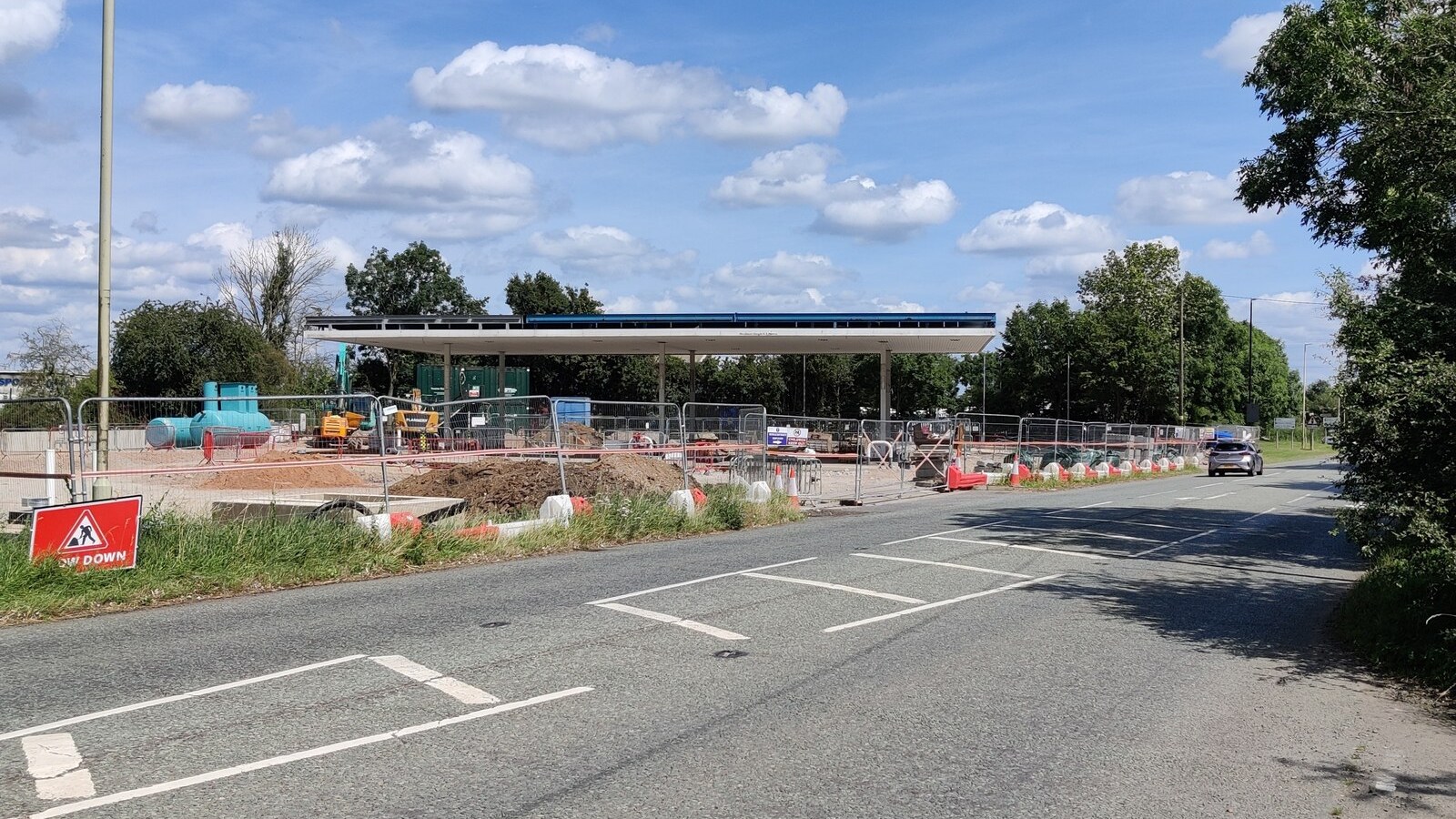
A credible petrol station construction company in Kericho should begin by testing the proposed business against the actual site. Road access, tanker circulation, topography, stormwater, ground conditions, utilities and statutory requirements all influence whether a forecourt can be designed and built safely. Zama Engineering Systems (ZES) supports clients with coordinated petrol station construction, equipment installation and commissioning scopes across Kenya.
A site in Kericho Town is not interchangeable with one near Litein, Londiani, Kipkelion or Fort Ternan. Each parcel has its own boundary, frontage, levels, surrounding uses and delivery route. ZES therefore develops project-specific scopes; it does not claim a permanent Kericho branch, a guaranteed licence, a fixed county price or guaranteed fuel demand.
Useful first step: send the parcel pin, survey or dimensions, frontage road, target customer vehicles, fuel products, proposed storage and any plans or authority correspondence. This allows a feasibility and information-gap review before equipment is ordered or a construction sum is treated as final.
Turnkey petrol station setup in Kericho Town, Litein, Londiani, Kipkelion and Fort Ternan
The phrase turnkey petrol station setup should describe coordinated delivery, not a standard template. In Kericho Town, a concept may need to give particular attention to urban traffic, pedestrians, neighbouring premises and the use of a constrained frontage. A proposal in Litein, Londiani, Kipkelion or Fort Ternan may have different levels, road-approach geometry, material logistics, utilities and maintenance access. These differences must be measured rather than assumed from the town name.
The owner’s operating model sets the foundation. Define the intended mix of cars, motorcycles, public-service vehicles, farm or commercial vehicles and through traffic. State fuel grades, storage cycle, expected tanker, dispenser throughput, trading facilities, washrooms, parking and any service-bay or food-retail components. This is not a demand forecast; it is the design brief that the client’s commercial study should support.
When searching for “petrol station setup Kericho,” ask whether the provider coordinates civil, structural, mechanical, electrical, equipment and handover interfaces. Also ask which tasks remain with the client, consultants or statutory specialists. A turnkey contract is only useful when inclusions, exclusions, provisional items and approval responsibilities are written clearly.
Feasibility begins with access and safe circulation
A petrol station needs enough usable space, not merely enough registered area. Plot the road reserve, setbacks, easements, existing utilities and any unusable slopes before positioning tanks or dispensers. Then draw vehicle movements at realistic sizes: entrance, customer queue, fuelling, parking, exit, delivery tanker, waste collection, maintenance and emergency access.
Access is reviewed by the authority responsible for the frontage. The process and design information may differ between a national road, an urban road and a county road. Planning permission, a county building approval or an EPRA petroleum step should never be presented as permission to alter a highway connection. The responsible agency should be confirmed and its current requirements incorporated before access works are priced as settled.
Tanker delivery affects both geometry and operations. Check approach direction, swept path, gate width, standing location, hose reach, fill-point protection, gradients and the ability to leave safely. A delivery plan should avoid unnecessary reversing through customer or pedestrian areas. It should also state how the forecourt will be controlled during discharge and preserve access to emergency equipment and isolation points.
Topography, rainfall, drainage and soil are design inputs
Kericho projects should be designed from survey data and site observations, not a general description of the county. Sloping ground can affect cut and fill, retaining, canopy foundations, accessibility, pavement transitions and the stability of the tanker standing area. A topographical survey should capture the parcel, frontage, drains, neighbouring levels and likely runoff routes. Where the engineer requires it, geotechnical investigation should inform tank support, foundations, backfill and pavement design.
Stormwater design must account for water entering from outside as well as rainfall falling on the station. Establish finished levels, protect the tank and building zones, and identify a lawful discharge route. Roof drainage, clean runoff and water from potentially contaminated forecourt areas may need separate management under the approved design. Drainage devices require access for inspection, sediment removal and maintenance.
During excavation, the method should address stability, safe entry, temporary water control, spoil location, approved fill, compaction and protection of buried services. If unexpected weak material, rock or water is encountered, the change should be assessed and documented rather than hidden beneath a fixed-price assumption.
A coordinated tanks-to-handover construction scope
ZES structures its petrol station construction and equipment installation service around the approved design and responsibility matrix. Depending on the contract, an integrated package can cover:
- Pre-construction coordination: client brief review, survey and authority-information review, concept planning, equipment schedule, interface register and coordination of professional drawings.
- Civil and structural work: site preparation, excavation, foundations, tank support, backfill, access, drainage, forecourt slabs, islands, containment, ancillary buildings and external works.
- Fuel storage and piping: tank supply or installation, fill and vent assemblies, chambers, valves, specified product piping, leak-control provisions and tests. The underground fuel tank installation service shows why the tank, excavation, pipework and records must be treated as one package.
- Dispensing: equipment setting, pipe and electrical connections, island protection, product configuration, commissioning and calibration coordination under the fuel dispenser installation scope.
- Canopy and services: structure, roofing, stormwater collection, lighting, signage support, distribution boards, cabling, earthing, bonding and emergency isolation. See petrol station canopy construction in Kenya.
- Monitoring: power and communications interfaces for inventory reporting and an automatic tank gauging system where specified.
- Completion: inspection and test records, commissioning, calibration evidence, manuals, warranties, operator orientation, as-built information and closure of snags.
The bill of quantities and contract should say whether access works, utility upgrades, professional fees, submission charges, specialist tests, temporary power, security and branded finishes are included. This avoids transferring unresolved interfaces into the construction phase.
Separate EPRA, NEMA, county and road-authority responsibilities
Kenya’s Petroleum (Retail Dispensing Site Construction and Licensing) (No. 2) Regulations, 2025 set out the national framework for petroleum retail dispensing sites through EPRA. The construction-stage pathway and the licensing required before retail operation are distinct milestones. Owners should work from the current official regulation and authority directions rather than copying an older project checklist.
NEMA handles the environmental assessment pathway. Its published EIA guidance explains the project-report stage and the possibility that a fuller environmental impact assessment study may be required. The assessment and conditions can affect layout, drainage, waste handling, spill controls, construction methods, traffic arrangements and emergency planning. Environmental approval is not a substitute for petroleum, planning, building or road-access permission.
Kericho County’s planning and development-control requirements apply at county or relevant municipal level according to the parcel and proposal. The route can involve land-use confirmation, development permission, building-plan review, fire or public-health inputs, fees and inspections. The County Integrated Development Plan and public project-information platform provide planning context, but neither is proof that a private petrol station parcel is approved or commercially viable.
The road agency responsible for the frontage addresses access and works affecting its reserve. Other regulators or utilities may be relevant to construction, workplace safety, water, electricity, professional services or measurement. Maintain one approvals register showing the owner of every action, required submission, dependency, status and evidence to be handed over.
Kericho petrol station cost drivers
A county name cannot produce a defensible budget. Use the national petrol station construction cost guide to identify the cost headings, then quantify the actual project. Surveyed levels, earthworks, retaining, drainage, road access, pavement loading, soil support, excavation conditions and temporary works can materially alter the civil package.
The equipment and operating brief drive the next layer: number and size of tanks, fuel grades, dispenser configuration, pipe routes, canopy area, shop or service buildings, power demand, backup supply, water, sanitation, security, tank gauging, signs and commissioning. Distance alone does not determine logistics; storage space, delivery route, lifting position, work hours and seasonal site access also matter.
When comparing a petrol station construction company in Kericho, issue each bidder the same design information and schedule. Confirm brands or performance specifications, quantities, taxes, freight, lifting, accessories, fittings, foundations, cabling, earthing, drainage, testing and documentation. Record any client-supplied items and provisional sums. A quotation with unclear exclusions is not a reliable turnkey price.
Quality control, commissioning and handover
Underground and concealed work should be inspected before it is covered. An inspection-and-test plan can identify hold points for excavation formation, tank support, backfill, product piping, drainage, earthing and reinforcement. Delivery records, material certificates, test results and approved changes should be filed throughout the build.
Commissioning connects the systems. Verify leak or pressure-test evidence, product identification, dispenser setup, calibration coordination, emergency isolation, lighting, earthing and bonding, gauging, communications, alarms and drainage interfaces. Operators should receive relevant procedures, manuals and training, while as-built drawings should reflect what was installed. Handover should list and close outstanding snags rather than conceal them in a general completion statement.
Kericho project brief checklist
- Parcel pin, reference, tenure position and nearest town or named road.
- Boundary and topographical survey with road reserve and existing services.
- Present land use, intended use, neighbours and known planning information.
- Road owner if known, access concept, visibility and expected customer queues.
- Vehicle mix, parking, pedestrian routes and any service or retail facilities.
- Tanker assumption, approach direction, discharge position and exit movement.
- Levels, runoff from neighbouring land, existing drains and possible discharge point.
- Fuel grades, tank capacities, dispenser quantities, hoses and expansion allowance.
- Canopy, shop, office, washrooms, external works and security requirements.
- Electricity, backup, water, communications, gauging and reporting requirements.
- Available approvals, professional drawings, procurement preference and target stage.
Frequently asked questions about Kericho petrol station projects
Can ZES use one standard design for all Kericho sites?
No. Vehicle movements, frontage, boundaries, levels, drainage, neighbours and operating requirements change from parcel to parcel. Standard equipment principles can help, but the layout and civil design must respond to verified site information.
Does a county planning approval cover EPRA and NEMA requirements?
No. County development functions, EPRA’s petroleum framework, NEMA’s environmental process and road-access review are separate. The project programme should show their dependencies without claiming that one decision replaces another.
What information is needed for an initial Kericho quotation?
Begin with the pin, survey or dimensions, frontage, customer and tanker assumptions, fuel products, storage, dispensers, buildings, utilities and documents already available. ZES can then flag missing surveys and define what can be budgeted versus what remains provisional.
Can construction begin while access and drainage are undecided?
That creates a high risk of abortive work. Access levels influence circulation and finished levels, while drainage affects slabs, tanks, buildings and discharge arrangements. Resolve the controlling design and authority information before permanent work depends on it.
Does turnkey construction include running the station?
Not unless an operating service is expressly included. Construction and equipment handover can deliver the contracted facility and documentation, while ownership, staffing, fuel supply, retail licensing and daily operation remain separate responsibilities.
See the ZES Kenya service-area directory for other county construction-planning pages.
Plan your Kericho petrol station setup
Share the site pin, survey, road frontage, proposed users, fuel grades, storage, dispensers, canopy and ancillary facilities. ZES can review the information gaps and prepare a project-specific scope instead of a generic county estimate.
Sources
- County Government of Kericho: Approved County Integrated Development Plan 2023–2027
- County Government of Kericho: Public Project Management Information System
- Kenya Law: Petroleum (Retail Dispensing Site Construction and Licensing) (No. 2) Regulations, 2025
- National Environment Management Authority: Environmental Impact Assessment guidance