
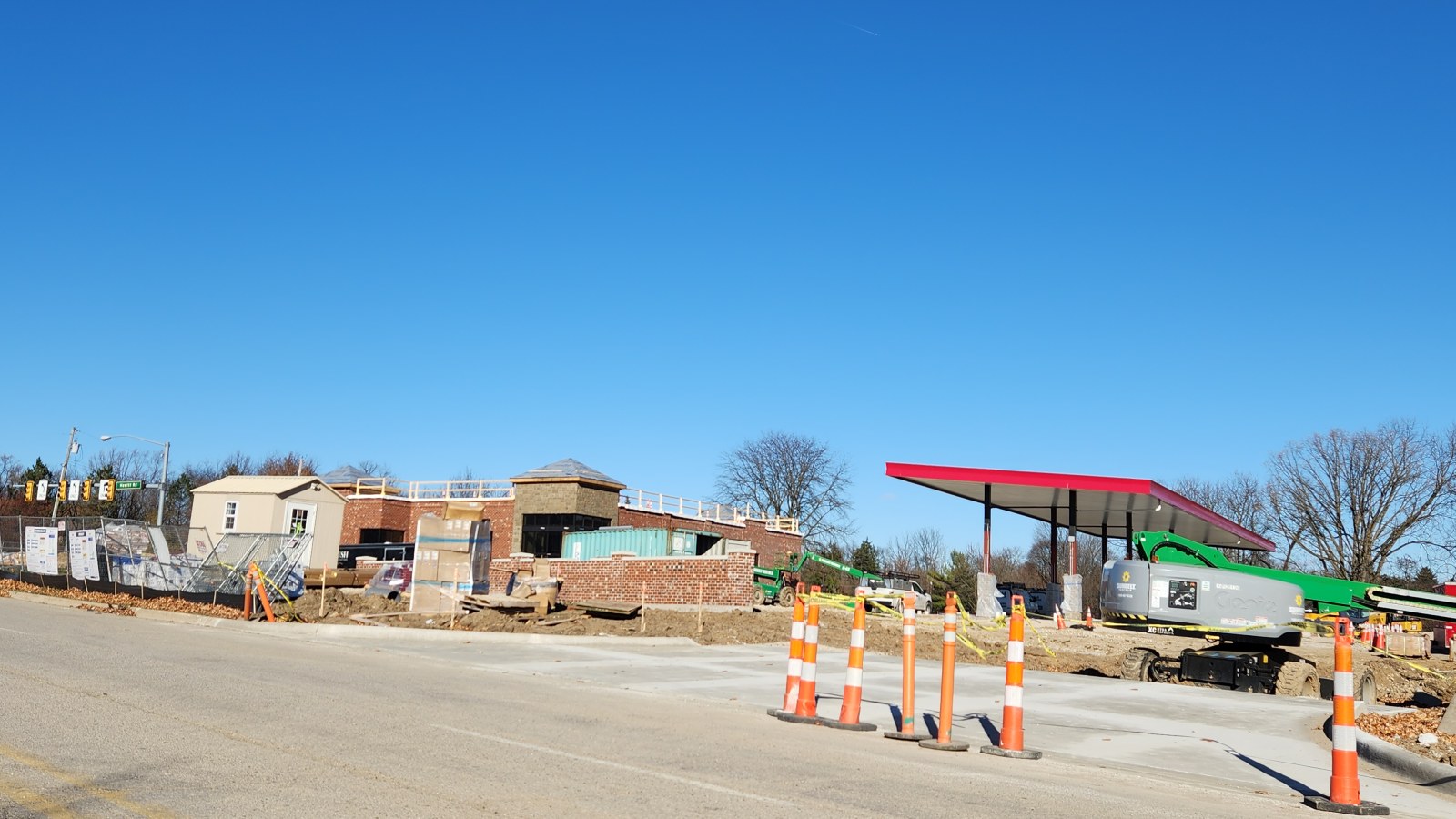
Choosing a petrol station construction company in Kisii starts with more than comparing equipment prices. A workable station must fit its parcel, road approach, intended vehicles, delivery-tanker movements and approval pathway. Zama Engineering Systems (ZES) supports project owners with coordinated design, construction and equipment-installation planning for new forecourts and complete setups across Kenya.
Sites near Kisii Town, Suneka, Ogembo, Tabaka or the Keroka approach can present very different frontage, level, drainage and logistics conditions. The right response is a site-specific brief: confirm what can be developed, define the operating model, coordinate the technical disciplines and price an agreed scope. This page does not claim that every roadside parcel is suitable, that demand is guaranteed or that any authority will approve a proposal.
Start with the site: share the location pin, survey or parcel dimensions, road frontage, current land use, expected customer vehicles, proposed fuel grades and any authority feedback. ZES can then identify the surveys, design decisions and responsibility boundaries required for a credible petrol station setup in Kisii.
Turnkey petrol station setup in Kisii Town, Suneka, Ogembo, Tabaka and Keroka
A turnkey petrol station setup brings the main work packages under one coordinated delivery plan. It does not mean that every site receives the same layout. A compact urban parcel in Kisii Town may need careful queue control, pedestrian separation and a tightly organised tanker-delivery window. A plot around Suneka or Ogembo may have a different road connection, slope, drainage outlet and utilities. A Tabaka or Keroka-side proposal may add mobilisation, material-delivery and future-maintenance considerations.
The first design workshop should define the commercial brief without inventing demand. Who is the intended customer: local motorists, motorcycles, public-service vehicles, agricultural users or through traffic? Which fuels are proposed? Will the development include a shop, service bay, parking, washrooms, office, generator or solar support? What expansion is realistic inside the site boundaries? The answers establish a capacity and circulation concept that can then be tested against planning, environmental, road-access and engineering requirements.
For owners searching for “petrol station setup Kisii,” turnkey should mean one controlled scope, a clear programme and accountable interfaces. It should not mean bypassing licensed professionals, statutory reviews or client decisions. The project still needs a design basis, approved information, documented changes and defined handover criteria.
Site feasibility, road access and tanker circulation
Before buying tanks or dispensers, test whether the parcel can safely accommodate the operating flows. Mark the legal boundary and road reserve, then map the proposed entrance, exit, customer queues, dispenser islands, parking, buildings, tank chambers, fill points, vents and emergency routes. A concept that fits on an aerial image can fail when actual levels, setbacks, visibility or vehicle turning are plotted.
The road authority depends on the frontage. A national highway, an urban road and a county road can fall under different agencies and procedures. County planning or building approval is not automatically permission to create or alter a road connection. The project team should identify the responsible road authority, obtain its current access requirements and keep written evidence of the accepted arrangement.
Tanker movement deserves its own swept-path review. The vehicle should reach the approved discharge position without reversing through active customer queues wherever the site design can provide a forward route. Fill points need protection from impact and separation from ignition risks, public movement and drainage inlets. The plan should also consider delivery timing, hose reach, tanker standing gradient, security, emergency access and how the forecourt will operate during replenishment.
Drainage, slopes and ground conditions in the project brief
Finished levels affect almost every part of a fuel station: entrance gradients, tanker stability, canopy-column heights, slab quantities, tank excavation, retaining, runoff and accessibility. Do not assume that a visually open plot is level or that soil exposed at the surface represents the excavation zone. A topographical survey and, where the engineer requires it, a geotechnical investigation should guide foundations, tank support, backfill, pavement and slope treatment.
Rainwater must be designed from the catchment to a lawful discharge point. The team should trace runoff arriving from the road or neighbouring land, not only water falling inside the boundary. Roof water, clean paved-area runoff and potentially contaminated forecourt drainage may require different treatment under the approved environmental and engineering design. Channels, falls, interceptors or other control measures need inspection and maintenance access; they should not be improvised after slabs have been cast.
Excavation planning should cover safe sides or support, groundwater observations, temporary dewatering if specified, imported fill quality, compaction testing and protection of nearby structures and utilities. These findings are cost inputs, not minor construction details.
Integrated construction and equipment scope
The ZES petrol station construction and equipment installation service can be structured around an agreed responsibility matrix. A coordinated project may include:
- Development inputs: review of the client brief, surveys and approval information; concept layout; equipment schedule; and coordination of architectural, civil, structural, mechanical and electrical information.
- Site and civil works: setting out, earthworks, foundations, tank excavation and support, selected backfill, slabs, islands, access work, drainage, containment, buildings and external works.
- Storage and fuel transfer: specified tanks, fill and vent assemblies, chambers, valves, product piping, leak-control provisions and testing. The underground fuel tank installation guide explains why excavation, support, corrosion protection and records must be planned as one system.
- Dispensing: equipment selection, islands, impact protection, pipe and electrical interfaces, commissioning and calibration coordination. See the fuel dispenser installation scope.
- Canopy and electrical services: foundations, structural frame, roofing, rainwater disposal, lighting, signage support, distribution, earthing, bonding, emergency isolation, surge protection and backup-power interfaces. Review the petrol station canopy construction guide.
- Monitoring and controls: communications, stock-monitoring interfaces and an automatic tank gauging system where the operating brief justifies it.
- Testing and handover: agreed inspections, pressure or integrity tests, electrical records, commissioning, calibration evidence, operator orientation, manuals, warranties, as-built information and a closed snag list.
The final contract should state which party supplies professional designs, approval submissions, utility connections, laboratory tests, security, temporary services and specialist commissioning. “Complete station” is not precise enough for procurement.
EPRA, NEMA, county and road approvals are different
The Petroleum (Retail Dispensing Site Construction and Licensing) (No. 2) Regulations, 2025 provide the national petroleum-site framework administered through EPRA. Project owners should use the current official requirements and distinguish construction-stage permission from the later licensing needed to operate a petroleum retail business. An EPRA step does not replace environmental, county or road approvals.
NEMA determines the appropriate environmental assessment pathway under the applicable law and current process. Its EIA guidance describes submission of a project report and explains that the Authority may require a fuller study. Environmental work can address site setting, neighbouring uses, drainage, waste, spill prevention, traffic, construction effects and emergency arrangements. Any conditions should be transferred into the drawings, bill of quantities, method statements and handover records.
Kisii County’s official lands information assigns physical planning and related land-management functions to the county sector. For a particular parcel, the pathway may include land-use confirmation, development permission, building-plan review, development control, public-health or fire-related review, county charges and inspections. Municipal functions may also be relevant within Kisii or Ogembo. Requirements must be confirmed for the actual site and current submission date.
Separately, the agency responsible for the frontage may review access geometry, visibility, drainage interaction and works inside a road reserve. Keep an approvals register naming every submission, responsible party, prerequisite, status and evidence required before construction or operation.
What drives petrol station construction cost in Kisii?
There is no responsible county-wide fixed price. The petrol station construction cost in Kenya guide sets out the major national variables, but the Kisii quotation must be built from the site and design. Ground levels, cut and fill, soil support, groundwater, retaining, drainage, access works and pavement loading can change the civil quantities substantially.
The operating specification also matters: tank number and capacity, fuel grades, dispensers and hoses, canopy span, shop and ancillary buildings, truck or car circulation, electrical capacity, backup power, water and sanitation, signage, security, monitoring, testing and documentation. Logistics may vary by town, route, storage area, lifting access and the ability to sequence work safely.
When comparing a petrol station construction company in Kisii, give each bidder the same drawings, quantities and equipment specification. Check taxes, delivery, lifting, trenching, backfill, pipe fittings, tank accessories, canopy foundations, cabling, earthing, drainage treatment, testing, calibration and professional services. Provisional sums and exclusions should be visible. A lower total is not comparable if it leaves critical interfaces to be priced later.
From construction control to operational handover
Construction should proceed against approved information and an inspection-and-test plan. Hold points may be required before covering tank foundations, backfill, underground piping, electrical earthing or drainage components. Record material certificates, delivery inspections, test results and authorised design changes as the work progresses; reconstructing the file at the end is unreliable.
Commissioning should verify the complete system, not only that a dispenser powers on. Confirm equipment configuration, product identification, emergency stops, earthing and bonding, lighting, drainage interfaces, leak or pressure test evidence, gauging, calibration coordination and operator procedures. Handover should name outstanding items, responsible parties and closure dates without presenting an incomplete system as ready to trade.
Kisii petrol station project brief checklist
- Site pin, parcel reference, ownership or lease position and nearest town.
- Boundary and topographical survey, road reserve information and existing utilities.
- Current land use, proposed development, neighbouring activities and known restrictions.
- Frontage road and responsible authority if known; proposed entrance and exit.
- Target customer vehicles, peak queue assumption, parking and pedestrian movement.
- Delivery-tanker size, approach route, discharge position and preferred forward exit.
- Runoff paths, low points, visible erosion, water features and possible discharge route.
- Fuel grades, storage capacity, dispenser quantity, hoses and future expansion.
- Canopy, shop, office, washrooms, service areas and security requirements.
- Power, backup, water, communications, tank gauging and reporting needs.
- Project stage, target procurement method, available drawings and authority feedback.
Frequently asked questions about petrol station construction in Kisii
Can ZES quote a Kisii station from the acreage alone?
No. Acreage helps an early conversation, but it does not define boundaries, road access, levels, ground conditions, drainage, equipment, buildings or approval scope. A useful quotation needs a site and operating brief plus agreed technical information.
Is a plot on a busy road automatically suitable?
No. Traffic may support a commercial study, but technical suitability still depends on lawful access, road reserve, visibility, circulation, tanker movements, planning status, environmental review, drainage, utilities and safe separation from surrounding uses.
Who approves a petrol station in Kisii?
There is no single substitute approval. EPRA addresses the national petroleum construction and licensing framework; NEMA determines environmental assessment; the county handles relevant planning and development functions; and the appropriate road authority addresses access where applicable. Other bodies may be involved according to the scope.
Can tanks and dispensers be purchased before design?
Early procurement can lock the project into unsuitable capacities, dimensions or interfaces. Confirm the operating brief, layout, product arrangement, tank and pipe design, power requirements and approval constraints before committing to long-lead equipment.
Does turnkey mean ZES guarantees approvals or business performance?
No. Turnkey describes coordinated delivery under a defined contract. Authorities make their own decisions, and commercial performance depends on the owner’s market, land, finance and operating analysis. ZES can support the technical project information without guaranteeing either outcome.
Explore the Kenya petrol station service areas for ZES’s national project-planning coverage.
Request a Kisii petrol station scope review
Send the site pin, survey or parcel dimensions, road frontage, planned customers, fuel products, storage, buildings and documents already available. ZES will review the information needed to define a coordinated construction and setup scope.
Request a Project-Specific Quote Review the Full Construction Service
Sources
- County Government of Kisii: Lands, Physical Planning, Housing and Urban Development
- County Government of Kisii: County Integrated Development Plan 2023–2027
- Kenya Law: Petroleum (Retail Dispensing Site Construction and Licensing) (No. 2) Regulations, 2025
- National Environment Management Authority: Environmental Impact Assessment guidance