
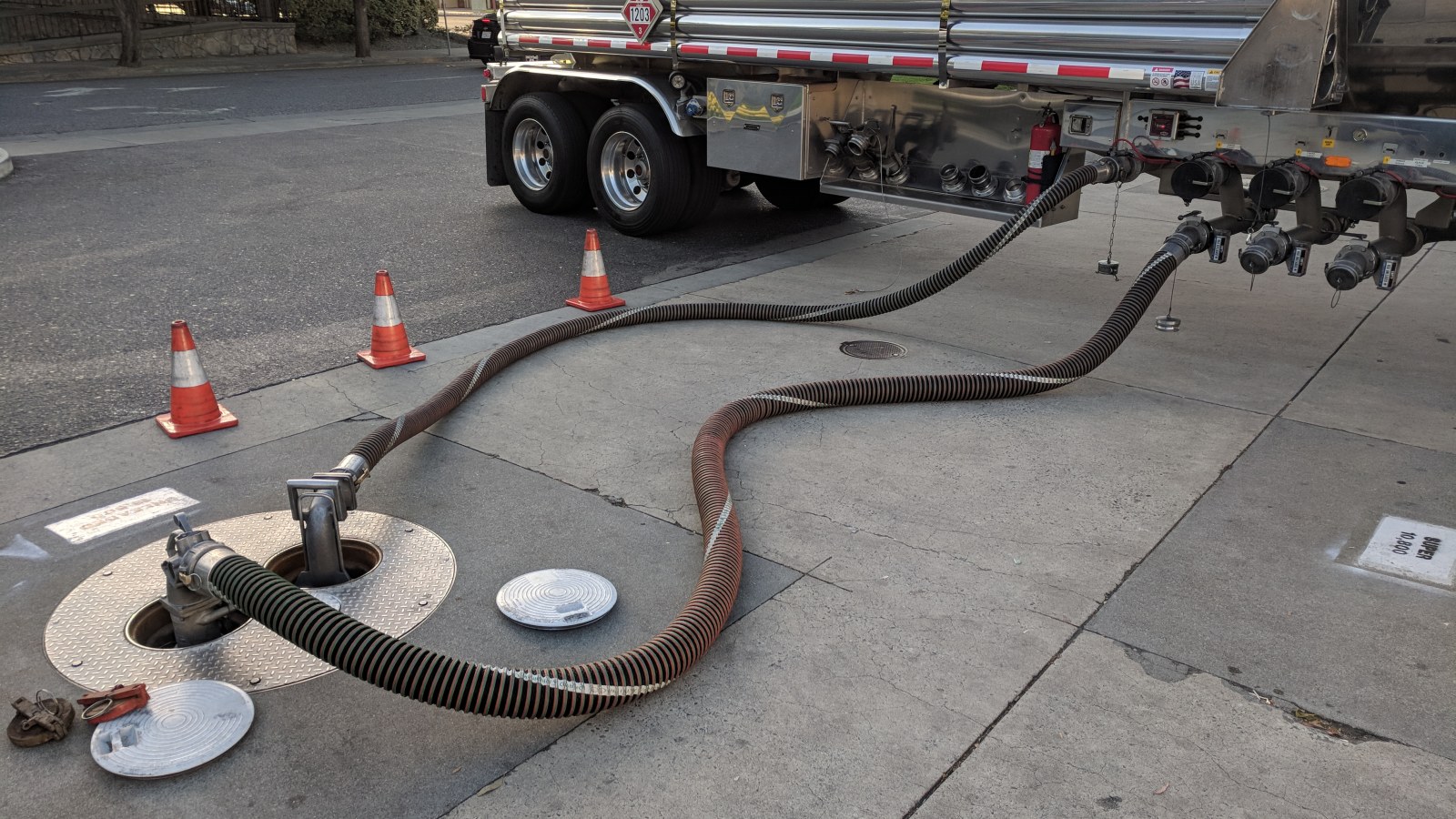
Choosing a petrol station construction company in Mombasa County starts with the plot, not a standard drawing. A site on Mombasa Island presents different access, drainage and delivery constraints from land in Changamwe, Jomvu, Kisauni or Likoni. Before layout work advances, the developer needs to establish whether fuel tankers can enter, offload and leave safely without creating a conflict with customers, pedestrians, public transport or neighbouring premises.
ZES evaluates petrol-station projects across Kenya according to scope, location, logistics and programme. That means a Mombasa enquiry is assessed on its own evidence; it does not imply a county office, a pre-approved design or a guaranteed licence. Start with the national petrol-station construction and equipment service, or browse the wider Kenya service-area directory.
Turnkey petrol station setup in Changamwe, Jomvu, Likoni and Miritini
A petrol station setup in Mombasa should be tied to the exact urban or port-related operating context. Changamwe, Jomvu and Miritini can present freight, industrial and constrained-access questions, while Island, Kisauni and Likoni sites may place greater emphasis on dense traffic, pedestrians, neighbours and limited working space. Tanker route, offloading position and forward exit should be settled before buildings or canopy columns restrict them.
The turnkey setup scope can coordinate coastal civil and corrosion-protection requirements with tanks, piping, dispensers, canopy, electrical works, drainage, monitoring, testing and handover. The quotation should identify any live-site phasing, marine-exposure specification, road-interface work and specialist transport rather than burying them in a general allowance.
Plan a Mombasa site around access, water and operating safety
Mombasa combines dense urban activity, port-related freight movement, residential districts and constrained road frontages. A promising roadside plot can still underperform if its entrance geometry forces a tanker to reverse across live traffic or if queueing vehicles block a footpath. The early feasibility drawing should therefore show the road boundary, gate widths, turning radii, tanker standing position, customer circulation, parking, dispenser islands and a protected unloading zone. Any proposed acceleration lane, deceleration lane, crossover or road-reserve work must be discussed with the authority responsible for that particular road.
Drainage also deserves early engineering attention. Parts of the county are low-lying or close to marine and tidal influences, but conditions vary plot by plot. A survey should confirm levels, existing drains, flood pathways and the safe destination for treated surface water. The design must keep clean roof water separate where practical, contain forecourt spills and prevent oily runoff from being discharged directly to public drains or the wider coastal environment. Interceptors, containment details and maintenance access should be designed as a system rather than added after the paving is complete.
Coastal exposure may also influence material selection. Where a site is exposed to salt-laden air, the designer can assess coatings, fixings, electrical enclosures and canopy details for corrosion resistance. A geotechnical investigation should determine actual soil and groundwater conditions before tank bedding, anchoring or foundations are specified. Neither a high water table nor weak ground should be assumed across the county, but both are costly surprises if they are discovered only after excavation.
What the construction scope can include
A coordinated petrol-station build brings civil works, petroleum systems, structures, electrical services and safety provisions into one controlled sequence. Depending on the approved design and employer’s requirements, the scope may cover:
- topographical, utility, geotechnical and access investigations;
- concept layout, architectural coordination and engineering drawings;
- earthworks, foundations, drainage, forecourt paving and boundary works;
- tank excavation, reinforced bases, chambers, fill points, vents and pipework;
- dispenser islands, pumps, leak-control provisions and emergency isolation;
- canopy structure, lighting, earthing, lightning protection and signage supports;
- service building, washrooms, store, electrical room and ancillary retail space;
- fire-safety equipment locations, hazardous-area coordination and security systems; and
- testing, calibration coordination, commissioning records and handover documentation.
The final package depends on the site’s approved capacity and business model. Review the dedicated guidance on underground fuel-tank installation and petrol-station canopy construction when those elements are being defined.
Carry safety controls from design into handover
A petrol station construction company in Mombasa County should convert the site risk assessment into drawings, method statements and inspection hold points. During construction, tanker and material deliveries, open excavations, lifting zones, hot work and temporary electrical supplies need controlled access and competent supervision. On a constrained plot, hoarding and pedestrian diversions should preserve a safe public route rather than pushing people into live traffic. Where coastal exposure is confirmed, temporary protection and storage also need to keep corrosion-sensitive equipment, coatings and electrical components in suitable condition before installation.
Before handover, the acceptance schedule should cover tank and pipe integrity, emergency isolation, earthing and lightning protection, dispenser protection, forecourt drainage, interceptor access and the agreed fire and spill-response provisions. Operators need the approved offloading procedure, shutdown actions and maintenance information, not only equipment manuals. The specialist petrol-station electrical installation guide helps define testing and hazardous-area interfaces that should not be left until commissioning.
How ZES prepares a construction quotation
A responsible quotation cannot be derived from county name and plot area alone. ZES first asks for the location pin, ownership or lease status, road frontage, proposed products and storage, target facilities, available surveys, intended brand standard and preferred procurement route. A site visit or further investigations may then be proposed where the supplied information cannot establish the risks.
The next step is a scope schedule. It separates design and statutory coordination, preliminaries, civil and structural work, petroleum equipment, mechanical and electrical services, testing, documentation and any client-supplied items. Assumptions and exclusions should be written beside the quantities. This makes competing quotations easier to compare and reduces the chance that a low headline number excludes drainage, power upgrades, off-site road works or commissioning.
For budgeting principles, read the Kenya petrol-station construction cost guide. It explains why a defensible budget follows a defined layout, quantities and site evidence rather than a fabricated county rate.
Mombasa-specific factors that may change the cost
- Constrained access: night or off-peak deliveries, traffic management, smaller plant or staged work can add preliminaries on busy urban plots.
- Groundwater and ground conditions: dewatering, shoring, tank anchorage or improved foundations are priced only if investigations show they are needed.
- Drainage and containment: limited outfall options, flood resilience, interceptors and larger attenuation measures can materially change civil quantities.
- Coastal durability: specified protective systems and corrosion-resistant components may carry a higher initial cost but should be evaluated against maintenance exposure.
- Road interface: gates, crossovers, turning lanes, signs or reinstatement required by the relevant road authority sit outside a simple forecourt rate.
- Logistics and storage: secure laydown space, delivery sequencing and protection of neighbouring operations affect time and supervision.
- Utility capacity: the distance to reliable power, water, sewer or communications can expand the external-works package.
No single item applies to every Mombasa plot, and no approval should be treated as automatic. The cost plan should identify each item as confirmed, provisional or excluded until evidence is available.
County approvals and national petroleum controls are different workstreams
The County Government normally deals with land-use and development-control matters within its mandate, including planning review, building plans, public health, fire input, drainage interfaces and occupation processes as applicable. A developer should confirm the current submission route, fees and required professionals directly with the county because procedures can change and the exact land use matters.
National requirements remain separate. The current petroleum retail-site regulations provide for an EPRA construction permit and specify application evidence, including an environmental impact assessment licence among the listed requirements. NEMA determines the applicable environmental assessment process, while construction-project registration and qualified-contractor requirements involve the National Construction Authority. Road agencies, Water Resources Authority, Kenya Civil Aviation Authority or other bodies may become relevant because of a site’s location or works; they are not automatically required in every case.
The practical sequence is to build an approvals matrix before mobilisation: authority, submission, responsible consultant, dependency, fee, expected decision evidence and renewal or validity date. See the EPRA-compliant construction guide for a national overview. Neither an engineering consultant nor a contractor can promise the decision of a regulator.
Mombasa project and quotation checklist
- Plot number, ownership document or registered lease, and a shareable location pin
- County land-use information and any existing development approvals
- Road name, road authority if known, frontage length and current gate position
- Photos or video of peak traffic, pedestrian movement and adjacent access points
- Proposed tanker size, delivery direction, offloading position and exit movement
- Topographical levels, visible drains, known ponding history and intended outfall
- Geotechnical and groundwater information, if already commissioned
- Number of products, preliminary tank capacities and dispenser configuration
- Required shop, washrooms, offices, service bays or other non-fuel uses
- Available electricity, water, sewer or on-site sanitation information
- Target programme, procurement preference and items the client will supply
- Any brand manual, insurer condition or neighbouring-operation constraint
- Quotation issue date, inclusions, exclusions, taxes, provisional sums and responsibility matrix
Frequently asked questions about building a petrol station in Mombasa
Can a small urban plot still accommodate safe tanker delivery?
Possibly, but it must be demonstrated with a scaled layout and vehicle-swept-path check. Gate location, tanker standing space, fill-point position and customer circulation matter more than plot area alone. If unloading depends on reversing across public traffic or blocking the entrance, the layout needs revision.
Does every coastal site need tank anchoring?
No. Anchoring should follow verified groundwater, flood and geotechnical conditions plus the tank engineer’s design. Assuming that every Mombasa site is identical can either waste money or leave a genuine buoyancy risk untreated.
Should tanker deliveries be routed through Mombasa’s busiest periods?
The operating plan should assess traffic and pedestrian peaks, any authority restrictions and supplier constraints. Where a quieter delivery window improves safety, it can be documented, but the station still needs a layout that works safely during realistic conditions.
Can construction start while the EPRA application is being reviewed?
Do not assume so. The applicable regulations prohibit construction or modification except under a valid construction permit. The project team should confirm the required approvals and written evidence before committing to physical works.
Will ZES secure every county and national approval?
ZES can define an agreed documentation and coordination scope, but applications remain subject to the relevant authorities and applicant responsibilities. Approval, licensing outcomes and decision times remain with the relevant authorities.
What should be fixed before asking for a final price?
At minimum, clarify site control, approved or proposed use, access concept, tank and dispenser schedule, buildings, drainage approach, utility needs, finish standard and responsibility for statutory submissions. Unresolved risks should appear as explicit provisional allowances rather than hidden assumptions.
Request a site-based Mombasa construction review
Send ZES the plot location, frontage photographs, proposed storage and dispenser schedule, desired facilities and any surveys or approvals already available. The team can then assess what information is sufficient for a scoped proposal and what investigations should precede pricing. Contact ZES to discuss your Mombasa County petrol-station brief.
Sources
- County Government of Mombasa: County Integrated Development Plan 2023–2027
- County Government of Mombasa: Transport, Infrastructure and Governance mandate
- Kenya Law: Petroleum (Retail Dispensing Site Construction and Licensing) (No. 2) Regulations, 2025
- National Construction Authority: project registration requirements